
Why Perfect Photographs Feel Empty
Crafting A photograph: Lesson 012

The most forgettable photographs I see these days are flawless. And I say that as someone who has personally contributed to the global surplus of flawless, empty images. I’ve made them. I’ve admired them. I’ve posted them. I’ve even defended them at dinner like they were misunderstood children. Perfect exposure. Perfect focus. Perfect color. Perfect posture. Perfect timing. Images so technically correct they could be laminated, framed, and hung in a community college hallway under the heading “See? You Did It.” They’re clean. They’re competent. They are absolutely incapable of haunting you for even ten seconds longer than it takes to scroll past them.
They arrive politely. They shake your hand firmly but without enthusiasm. They make brief eye contact. They leave. You forget their name immediately.
This isn’t a failure of talent. That’s the part people get wrong. It’s a failure of expectation. Somewhere along the way, photography stopped being about encountering something unpredictable and became about proving you knew what you were doing. The goal quietly shifted from making a photograph to not making a mistake. And once that became the metric, everything else, curiosity, risk, hesitation, discomfort, was treated like a liability.
Perfection became confused with seriousness. Imperfection got rebranded as incompetence. And so a whole generation of photographers, myself very much included, learned to aim for images that behave. Images that don’t argue back. Images that don’t raise uncomfortable questions or linger awkwardly in the room like someone who said something true at exactly the wrong moment. We learned to make photographs that resolve themselves instantly, because instant resolution photographs very well online.
The problem, of course, is that photographs made to avoid mistakes almost always avoid saying anything too.
Perfect photographs feel empty because they are designed to leave no fingerprints behind. No evidence of indecision. No trace of fear, doubt, or risk. No sense that the photographer had to choose this instead of something else. They are the visual equivalent of someone who has mastered conversation without ever revealing a thought. All the right words. None of the weight.
This piece is about why that emptiness exists, how we got here, and why learning to tolerate imperfection, both in the work and in yourself, isn’t a creative failure. It’s the beginning of actually making photographs that matter.
Hello and welcome to The Creative Connection! The Creative Connection is a publication dedicated to exploring the art, craft, and business of photography. With thoughtfully curated segments, we dive into the past, present, and future of image-making. In Life Through The Lens, we spotlight influential photographers throughout history, examining their legacy and the ways their work continues to shape visual culture. Crafting A Photograph offers both technical insight and introspective guidance, helping photographers become more self-aware artists through deeper aesthetic and creative choices. Tools Of The Trade, is a series built around the gear, brands, and experiences that elevate the artist’s journey. The Creative Connection segment brings it full circle, focusing on how to market yourself as a modern photographer, build meaningful relationships both online and in person, and cut through the myths of the business side of creativity. Finally, Marks Of The Maker, is where I explore my process, philosophy, and the moments that shape my creative identity in hopes that it helps others see how their own personal work can become a mirror for who they are becoming.
This series isn’t about perfection or performance, it’s about honesty. This is more than a publication, it’s a space where artistry meets strategy.
In this segment of Crafting A Photograph, we’ll be discussing Why Perfect Photographs Feel Empty. So, without further delay, let’s jump right in!
The Modern Fantasy of the Perfect Image
The idea of the “perfect photo” didn’t come from the street, the darkroom, or any place where sweat, chance, or mild humiliation are still allowed. It came from systems. From advertising. From committee decisions. From marketing decks where photographs are described with words like clean, on-brand, and deliverable, which is a noun that has never once improved a piece of art.
It came from platforms that reward images that read instantly, no squinting, no hesitation, no second look required, and quietly punish anything that asks the viewer to slow down, feel uncertain, or admit they don’t immediately understand what they’re seeing. From software that promises total control, which is very comforting if you’re terrified of ambiguity and mildly allergic to experience. From tutorials that flatten photography into a series of solvable problems, each with a cheerful thumbnail and the unspoken assurance that discomfort can be bypassed entirely if you just click the right preset.
Somewhere in there, the fantasy was born: learn enough rules and the work will take care of itself. Memorize the commandments. Obey the grid. Keep your highlights holy. Never miss focus. Never miss exposure. Never miss anything, really, except the point.
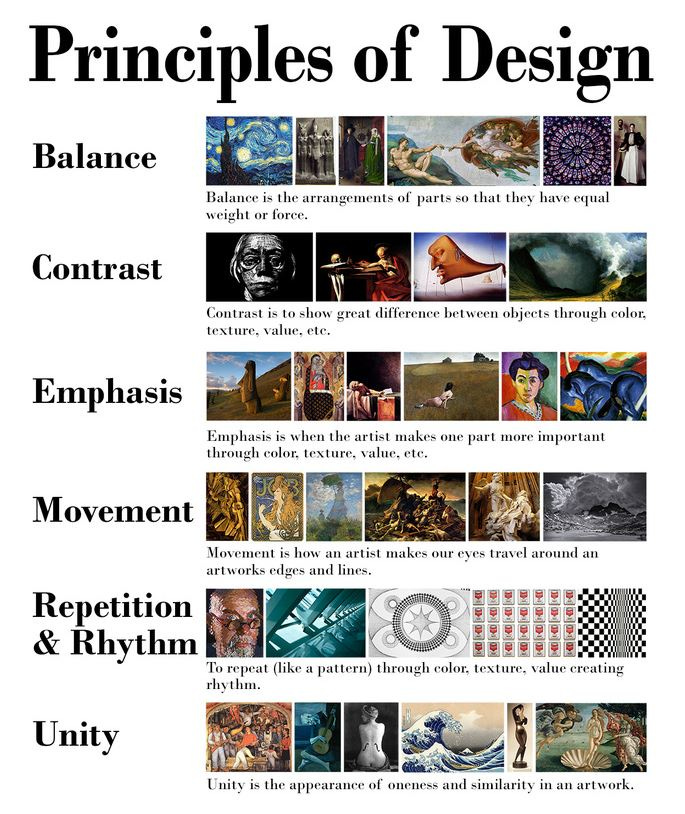
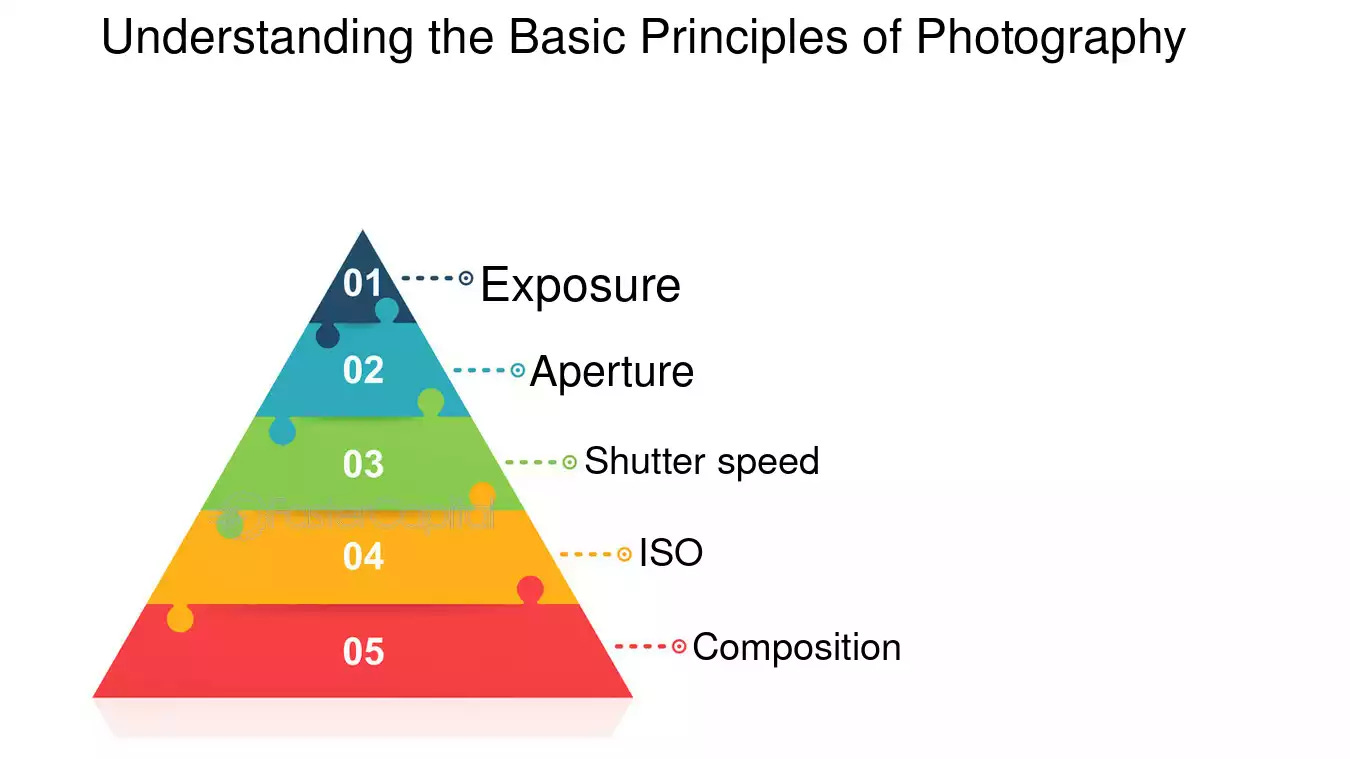
Perfection became the goal because perfection is measurable. It fits neatly into checklists and comment sections. Sharpness can be verified at 200%. Exposure can be corrected after the fact, preferably while pretending it was intentional all along. Color can be standardized until every photograph on earth looks like it was taken on the same overcast Tuesday afternoon. Composition can be grid-aligned into submission, like a misbehaving child being told to sit up straight at the dinner table.
Meaning, on the other hand, is wildly inconvenient. Meaning refuses to sit still. It’s subjective. It changes depending on who’s looking, when they’re looking, and what they’ve lived through before they got there. Meaning requires time, context, and the deeply unpopular willingness to be misunderstood. It does not perform well in tutorials. It does not scale. It does not come with a refund policy.
So we replaced it with finish.
Finish is tidy. Finish looks professional. Finish photographs well on Instagram and offends no one except, occasionally, people who still remember why they picked up a camera in the first place. Finish is what you get when you sand down every rough edge, every hesitation, every moment where the photographer might have had to choose something over something else and live with the consequences.
This is why so much contemporary photography looks confident and says absolutely nothing. The images aren’t bad. That’s the more troubling part. They’re competent. They’re immaculate. They’re sealed shut. Nothing leaks out. No uncertainty. No friction. No residue of a human being having been present, confused, or even mildly compromised by the act of making the picture.
You can feel the fear in these images if you know what to look for. Fear of being wrong. Fear of being amateur. Fear of being slow. Fear of being judged by strangers who learned photography last week and are now very concerned about your horizon line. Fear disguised as taste. Fear dressed up as professionalism. Fear holding a very expensive camera and insisting it’s about standards.
Perfection, as it’s currently sold, is a fantasy of control. And control is rarely about mastery. It’s about avoidance. Avoiding the risk of failure. Avoiding the embarrassment of not knowing. Avoiding the moment when you realize the photograph you wanted and the photograph you got are not the same thing, and you have to decide whether to keep going anyway.
I understand the appeal. I participate in it more than I’d like to admit. There is a deep, seductive comfort in believing that if you just optimize enough variables, art will eventually happen without asking anything uncomfortable of you. That you can engineer your way past doubt. That the mess is optional.
It isn’t.
The problem with the perfect image isn’t that it’s too polished. It’s that it’s too afraid to leave a trace of the person who made it. And without that trace, without the risk, the bias, the imperfect choice, what you’re left with is a photograph that behaves beautifully and remembers nothing.
