

Curiosity didn’t vanish in a blaze of controversy or get publicly canceled in a comment section. It didn’t go out swinging. It just… stopped showing up. Quietly. Politely. Like someone who realized halfway through the party that no one was actually listening anymore. One day it was there, asking inconvenient questions, slowing things down, making everyone slightly uncomfortable, and the next, it had been replaced by confidence, clarity, and a suspicious amount of certainty delivered by people who hadn’t been confused in years. Or at least hadn’t admitted to it publicly.
It wasn’t murdered. It was suffocated. Slowly. Buried under metrics, monetization, and the unspoken expectation that if you call yourself a photographer, you should already know what you’re doing at all times. Preferably while explaining it confidently, on camera, with bullet points. Curiosity, which requires not knowing and being honest about it, started to look inefficient. Too slow. Too uncertain. Too difficult to justify in a culture that treats hesitation like a branding flaw.
Somewhere along the way, asking questions became a liability. Not knowing became something to edit out. Investigation was replaced with presentation. Doubt with polish. The artist, once defined by wandering, failing, circling, and changing their mind, was quietly rebranded as a product expected to arrive fully formed, with a recognizable look, a repeatable process, and a short explanation that fits neatly into a caption.
Curiosity, inconveniently, does not perform well online. It pauses. It contradicts itself. It goes down dead ends and comes back with nothing but a better question. It doesn’t scale. It doesn’t convert cleanly. It refuses to announce its value upfront. So we stopped rewarding it. We favored certainty instead, confidence theater dressed up as expertise, prepackaged aesthetics that promise coherence without inquiry, and workflows optimized to produce results rather than understanding.
And then, somehow, we were surprised when the work started to feel hollow. Interchangeable. Technically competent and emotionally vacant. Images that behave beautifully but don’t linger. Work that looks finished but feels unfinished, like it skipped the part where someone actually cared long enough to get lost.
This piece exists because I’m increasingly convinced of something that’s both simple and deeply inconvenient: when the work stalls, when it starts repeating itself, when it begins to feel like it could have been made by anyone, it’s rarely because you lack talent, or tools, or access. It’s because curiosity has quietly left the building. Because somewhere along the way, you stopped asking questions you didn’t already know how to answer.
Marks Of The Maker is an attempt to make space for that return. Not curiosity as a personality trait or a marketing angle, but as a discipline. A skill set. A willingness to admit that not knowing is not a failure of professionalism, but the very condition that makes meaningful work possible in the first place.
Hello and welcome to The Creative Connection! The Creative Connection is a publication dedicated to exploring the art, craft, and business of photography. With thoughtfully curated segments, we dive into the past, present, and future of image-making. In Life Through The Lens, we spotlight influential photographers throughout history, examining their legacy and the ways their work continues to shape visual culture. Crafting A Photograph offers both technical insight and introspective guidance, helping photographers become more self-aware artists through deeper aesthetic and creative choices. Tools Of The Trade, is a series built around the gear, brands, and experiences that elevate the artist’s journey. The Creative Connection segment brings it full circle, focusing on how to market yourself as a modern photographer, build meaningful relationships both online and in person, and cut through the myths of the business side of creativity. Finally, Marks Of The Maker, is where I explore my process, philosophy, and the moments that shape my creative identity in hopes that it helps others see how their own personal work can become a mirror for who they are becoming.
This series isn’t about perfection or performance, it’s about honesty. This is more than a publication, it’s a space where artistry meets strategy.
In this segment of Marks of the Maker, we’ll be discussing Why Curiosity Is the Most Important Skill Set. So, without further delay, let’s jump right in!
Why Curiosity Looks Dead in the Online Photography Economy
The modern photography landscape isn’t accidentally hostile to curiosity. It’s engineered that way. Algorithms reward certainty. Audiences reward familiarity. Platforms reward speed. None of these systems are especially interested in hesitation, nuance, or the slow, unprofitable act of not knowing what you’re looking at yet. Curiosity doesn’t fail here because it’s weak. It fails because it’s incompatible with the business model.
Curiosity takes time, which is already suspicious. It requires admitting, often publicly, that you don’t fully understand what you’re seeing, feeling, or making yet. It asks you to linger with uncertainty long enough for meaning to emerge, instead of rushing to assign one before someone else does. That’s a hard pitch in a culture that treats immediacy as virtue and decisiveness as credibility. We’ve decided that thinking quickly is the same as thinking well, and curiosity suffers accordingly.
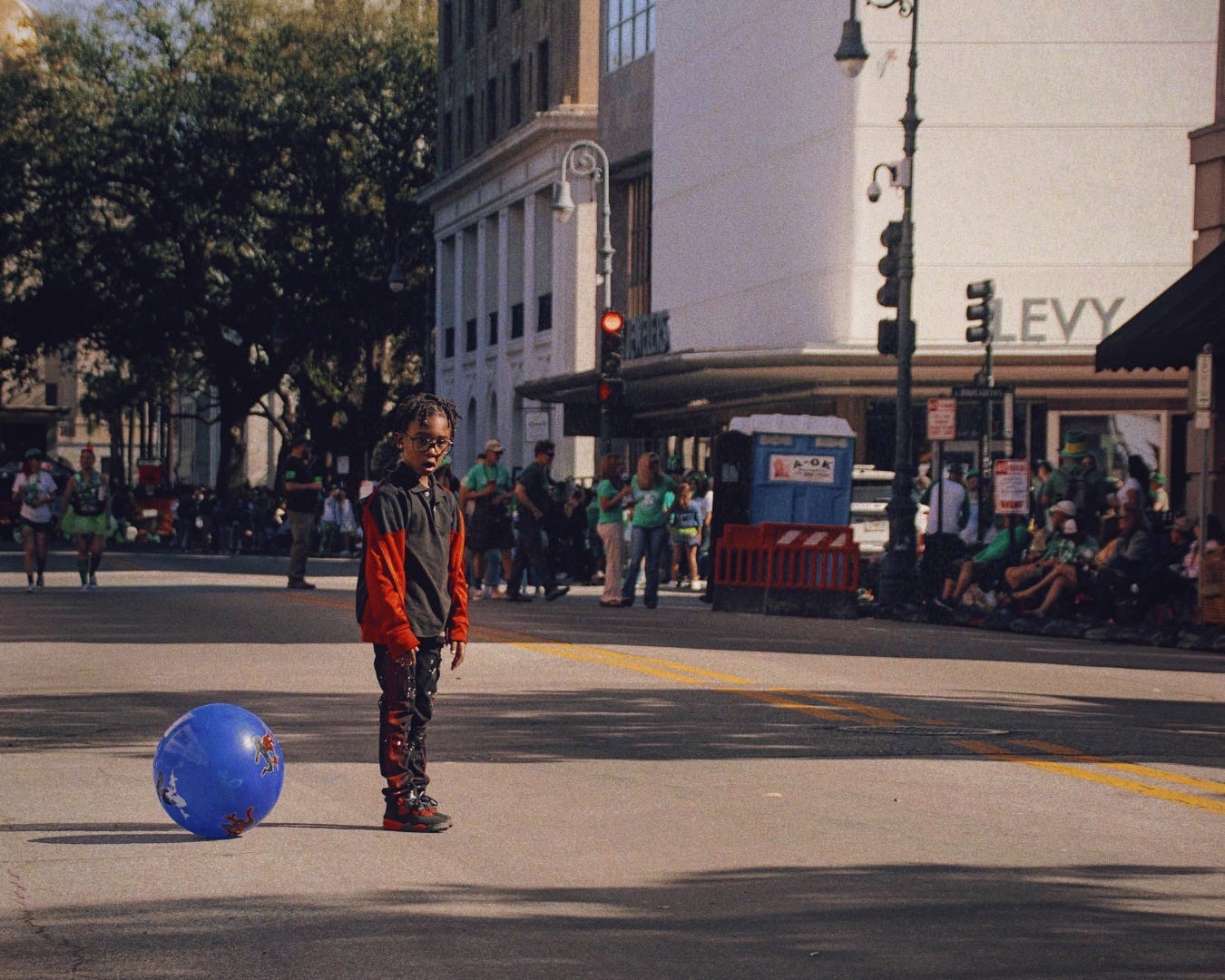
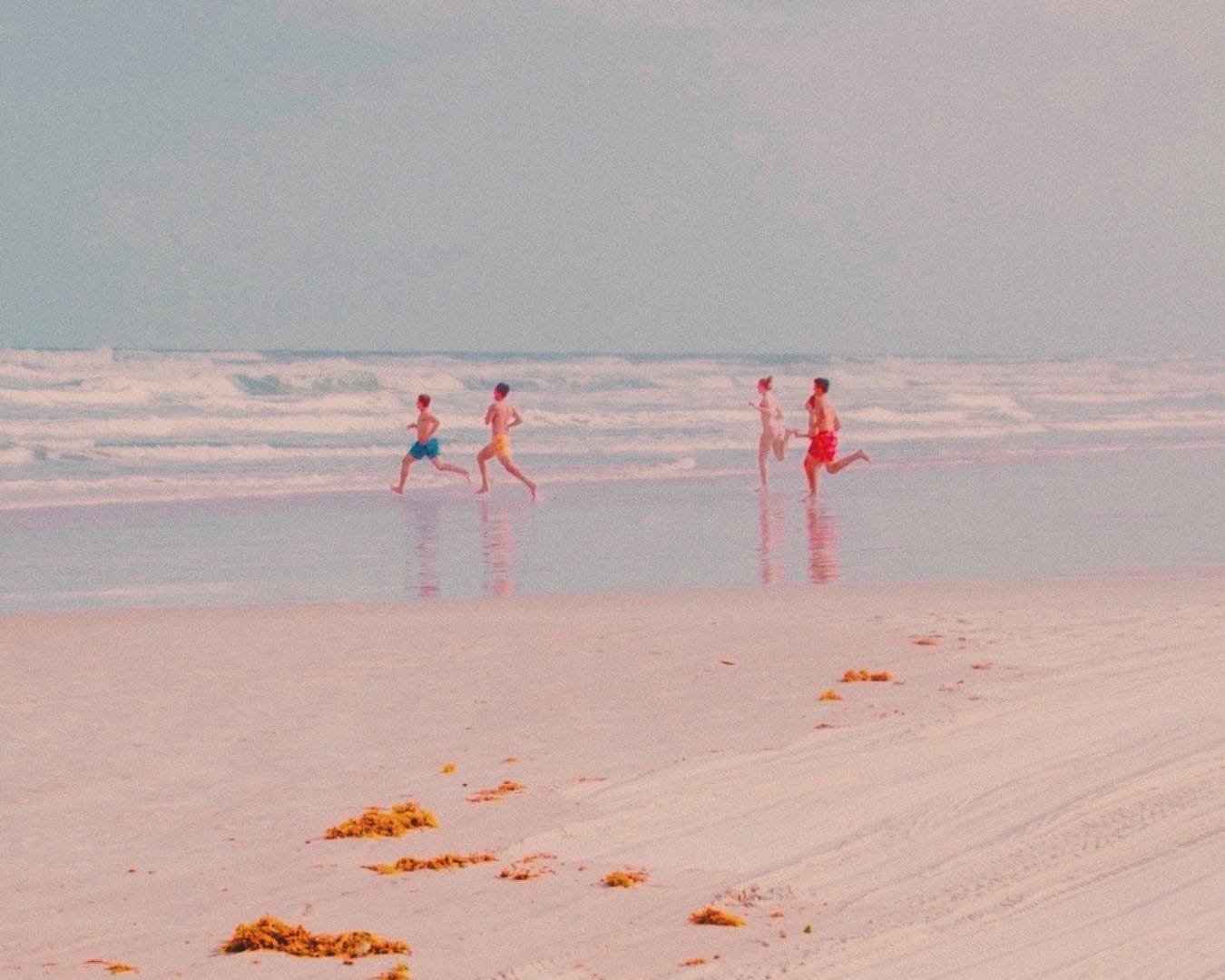
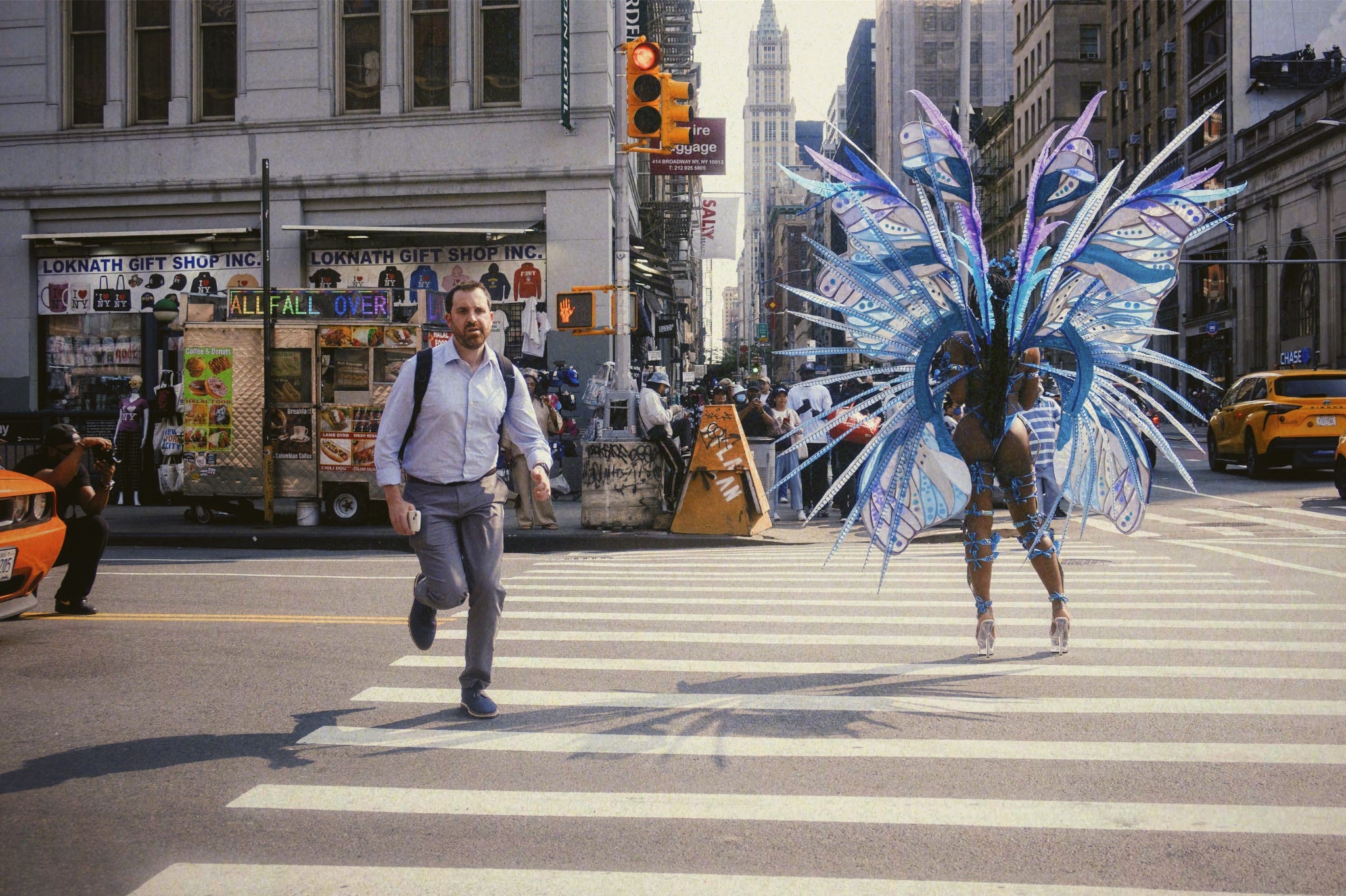
Online, photographers are incentivized to arrive with answers, not questions. To explain their work clearly, confidently, and on schedule. Preferably in a caption short enough to be skimmed but authoritative enough to sound final. Ambiguity doesn’t travel well. Doubt doesn’t convert. And curiosity, by its nature, refuses to resolve on command. So it gets edited out somewhere between the shoot and the post, replaced with language that sounds like understanding even when the thinking behind it is still half-formed.
Over time, that pressure does something subtle and damaging. It trains artists to skip the investigative phase entirely. Why explore when you’re expected to deliver? Why wander when the system rewards arrival? Why sit with confusion when there’s a perfectly acceptable explanation available that makes you look competent and keeps the engagement moving? The work becomes less about discovery and more about demonstration, proof that you know what you’re doing, even if you’re not entirely sure anymore.
The irony is that curiosity was never inefficient in the long term. It was just incompatible with short-term validation. It doesn’t announce its value immediately. It doesn’t guarantee results. It often leads nowhere useful before it leads somewhere honest. And honesty, inconveniently, tends to take longer than the internet would prefer to wait.
What we’re left with is a strange and slightly tragic paradox: more images than ever, made with less curiosity than ever. Photographs that arrive fully explained but barely examined. Work that looks decisive but feels shallow. A culture saturated with images and starved of inquiry, where asking the wrong question feels riskier than offering a polished answer that doesn’t quite hold up.
Curiosity as Fuel, Not Decoration
Curiosity is not a personality trait. It’s not a vibe. It’s not the charming adjective you tack onto your bio to suggest you’re open-minded without actually having to prove it. Curiosity is an engine. And like most engines, it’s loud, inconvenient, and mostly appreciated only once it stops working and everything grinds to a very public halt.
Curiosity is what keeps you photographing long after novelty has burned off. Long after the initial excitement of a new project gives way to the far less glamorous reality of repetition, doubt, and the creeping suspicion that you may, in fact, have no idea what you’re doing. It’s what pulls you back into the street, the archive, the edit, not because you’re inspired, but because something still doesn’t make sense. Because there’s a loose thread you can’t stop tugging at, even when it would be much easier to declare the work finished and move on with your life.
Talent gets you noticed. Discipline keeps you showing up. But curiosity is what keeps the work alive once attention fades and routine sets in. It’s the difference between making images because they perform well and making images because the questions they raise refuse to leave you alone. Without curiosity, photography becomes procedural. Efficient. Repeatable. You do what worked before because it worked before, and you keep doing it until it becomes muscle memory, and then eventually, a trap.
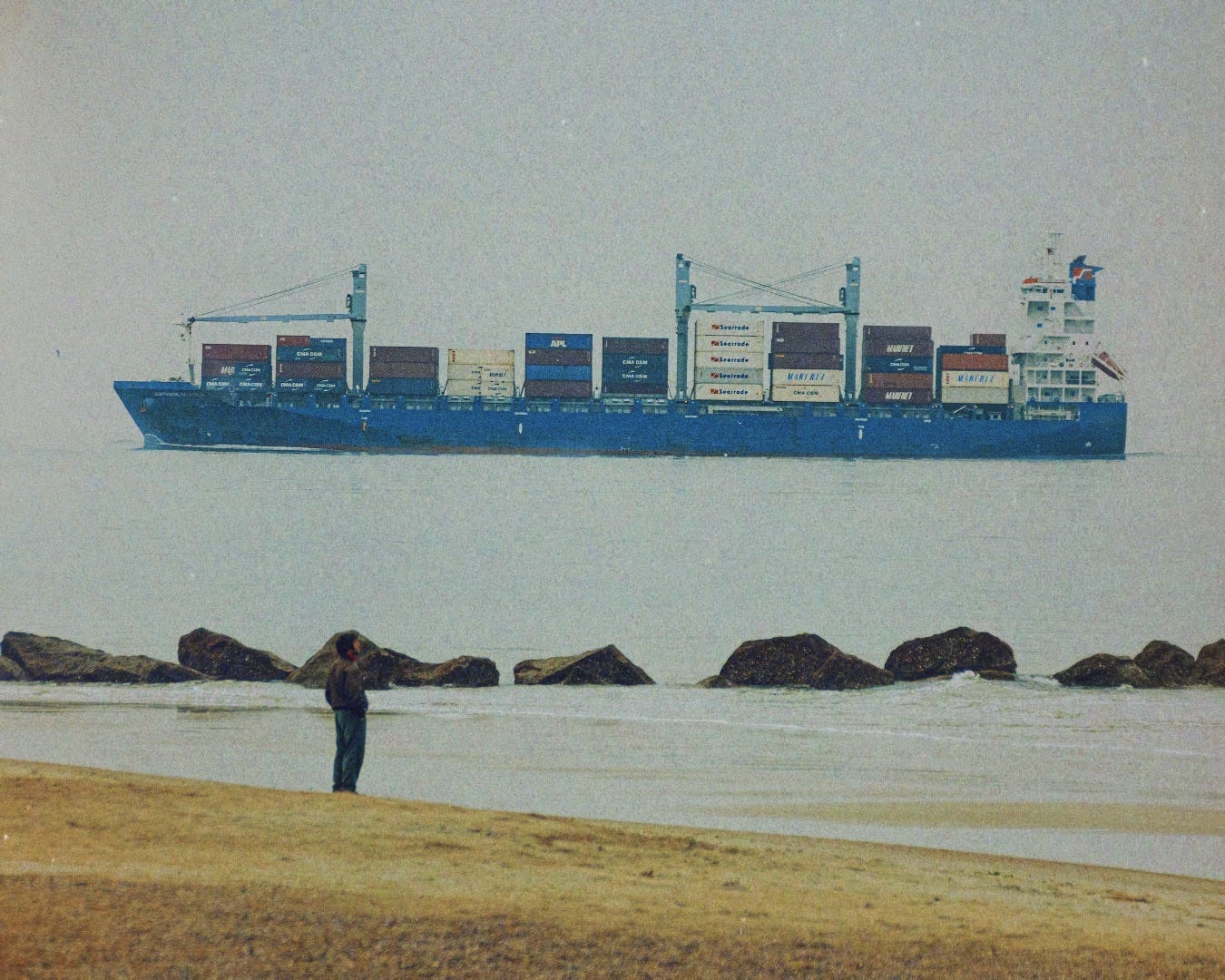
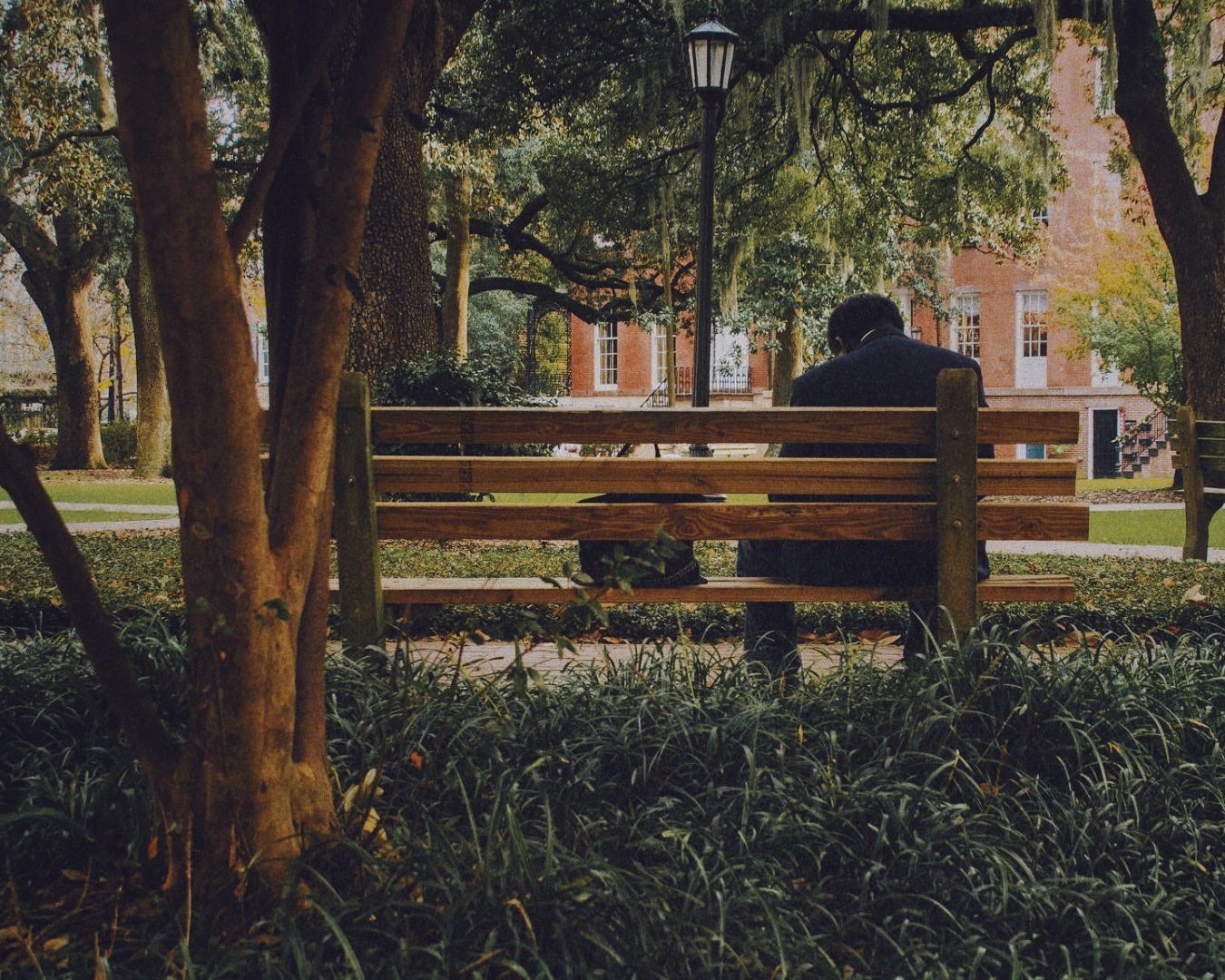
This is how stagnation masquerades as consistency. You refine a look until it hardens into habit. You chase coherence instead of discovery. You mistake repetition for depth and clarity for understanding. The images get cleaner. Sharper. Louder. More legible. And somehow, less alive. They behave. They don’t argue back. They don’t surprise you anymore, which is usually the first sign that curiosity packed up and left quietly while you were busy optimizing.
Curiosity resists that comfort. It refuses to let your conclusions settle too neatly. It pokes at your assumptions. It reopens questions you thought you had resolved and asks whether you actually resolved them, or just got bored. It’s what keeps you from turning your own style into a closed system, where every photograph feels like a slightly rearranged version of the last one.
Photographing with curiosity means accepting that the work might destabilize you. That it might complicate your beliefs rather than confirm them. It means being willing to photograph not to prove what you already think, but to discover what you’ve been avoiding. And that’s uncomfortable, especially if you’ve built an identity around appearing certain.
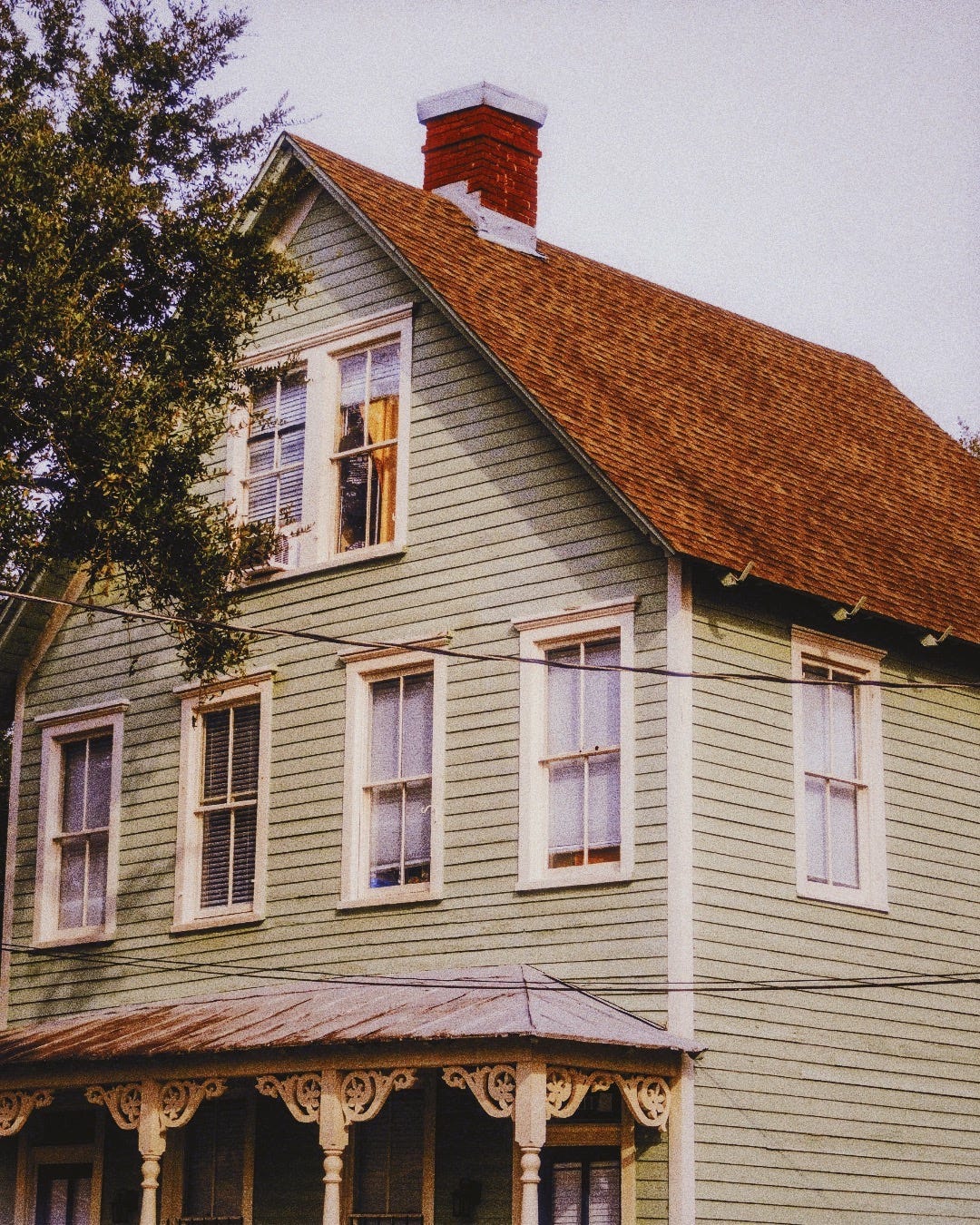
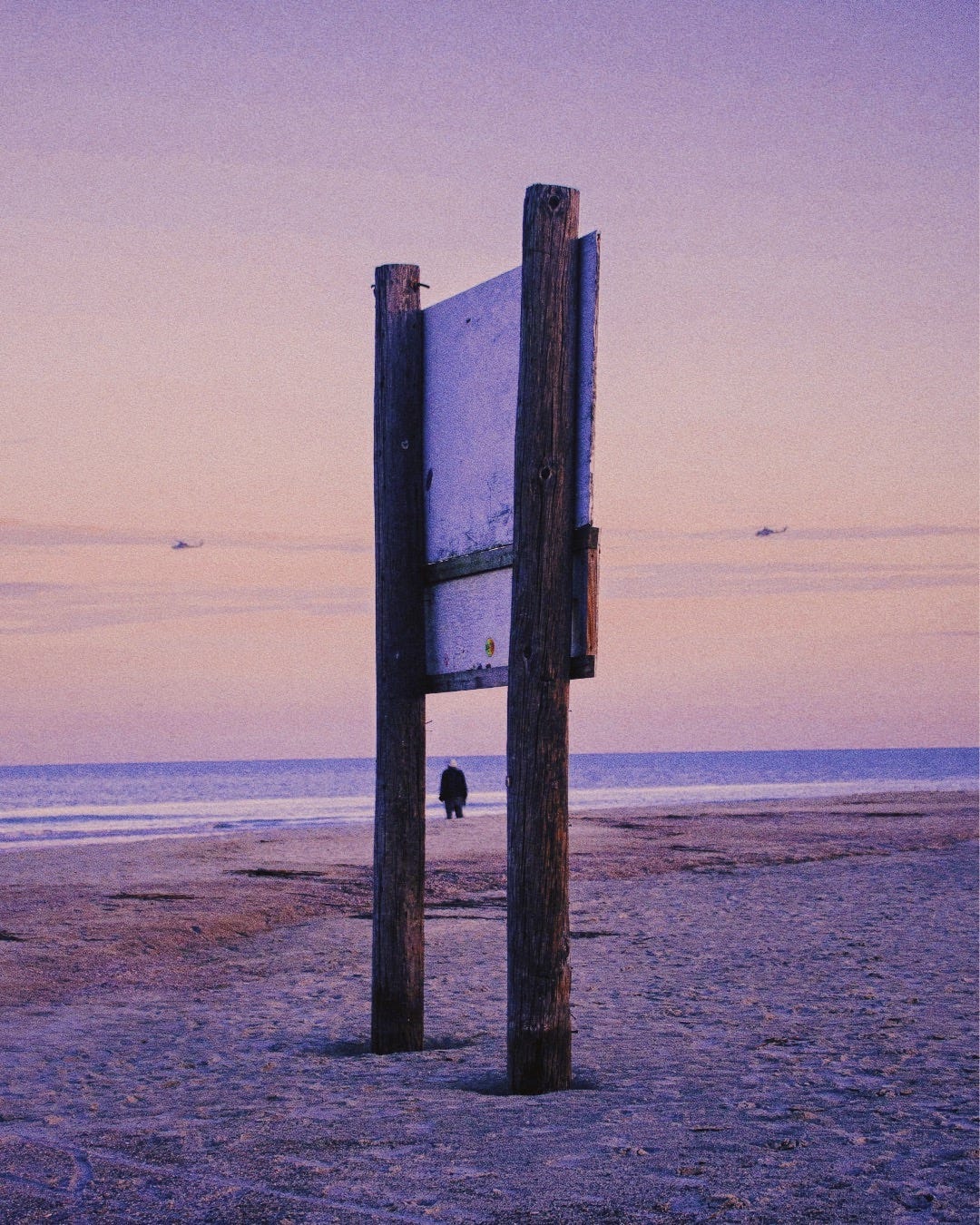
Curiosity doesn’t decorate the work. It drives it. It’s the quiet force that keeps the practice from calcifying into routine. Without it, photography becomes an exercise in maintenance, keeping a look alive long after its usefulness has expired. With it, the work stays porous. Responsive. Capable of changing as you change.
And in a medium obsessed with polish and permanence, that willingness to stay curious, to admit you’re still unsure, still learning, still paying attention, isn’t a weakness.
It’s the only thing that keeps the work breathing.
Curiosity and the Development of Voice
Personal voice does not emerge from confidence. If it did, most of us would have had one by our second decent roll of film and spent the rest of our careers repeating ourselves loudly. Confidence is great for introductions and terrible for longevity. Voice, on the other hand, comes from sustained curiosity under pressure, the kind that doesn’t disappear when the early answers stop working and the easy interpretations collapse in on themselves.
Voice isn’t what you decide to say. That’s a statement. Voice is what you keep asking about long after other people have gotten bored and moved on to something trendier. It’s shaped by the questions you return to, often against your better judgment. The contradictions you refuse to flatten for the sake of clarity. The discomforts you don’t immediately escape because, inconveniently, they seem to be pointing somewhere important.
Curiosity is what allows this to happen without turning every change of mind into a personal identity crisis. It gives you permission to evolve without pretending each shift is a betrayal of your “brand.” It lets the work move forward without forcing you to defend earlier conclusions out of pride or nostalgia. Without curiosity, growth feels like failure. With it, growth feels like what was supposed to happen all along.
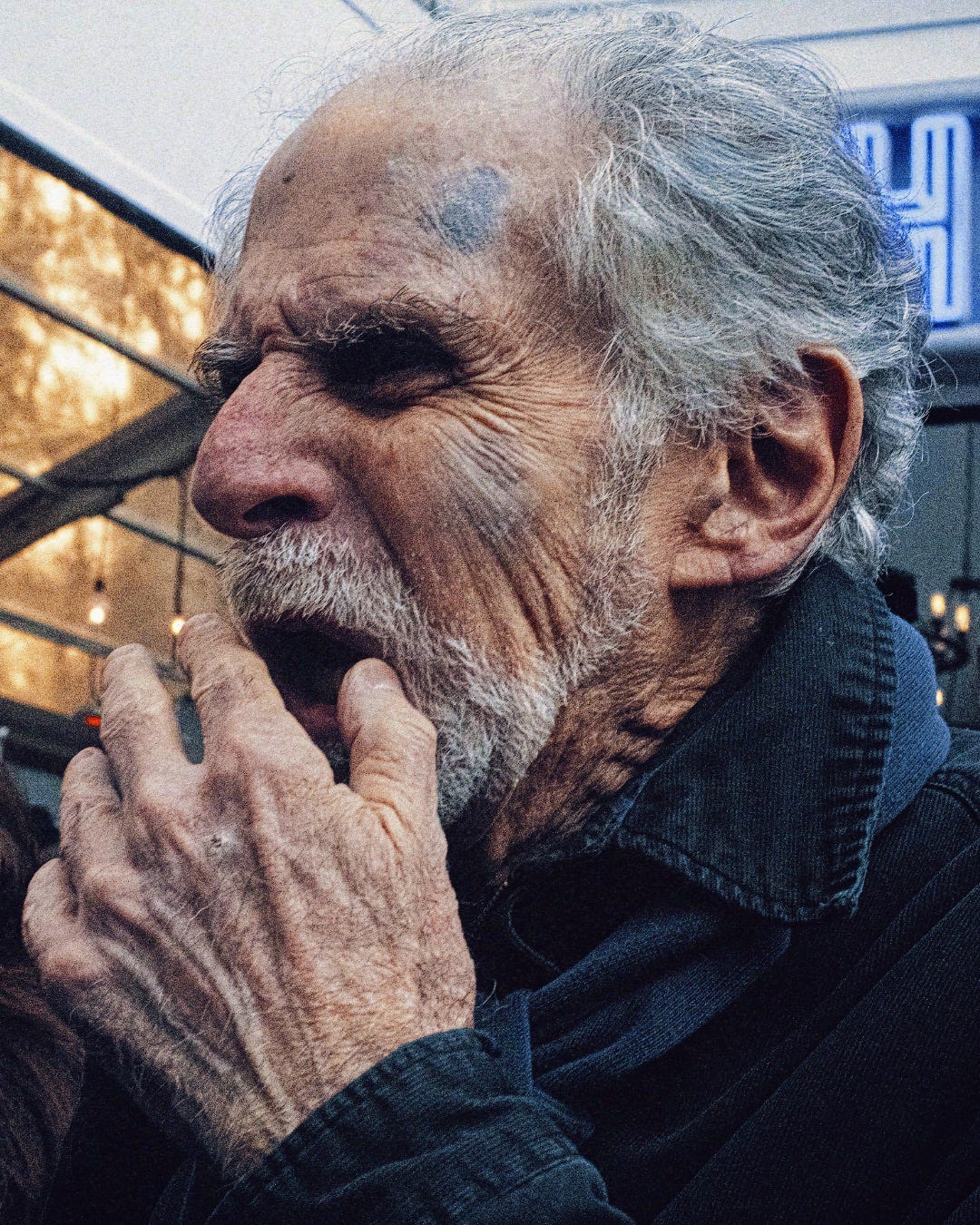
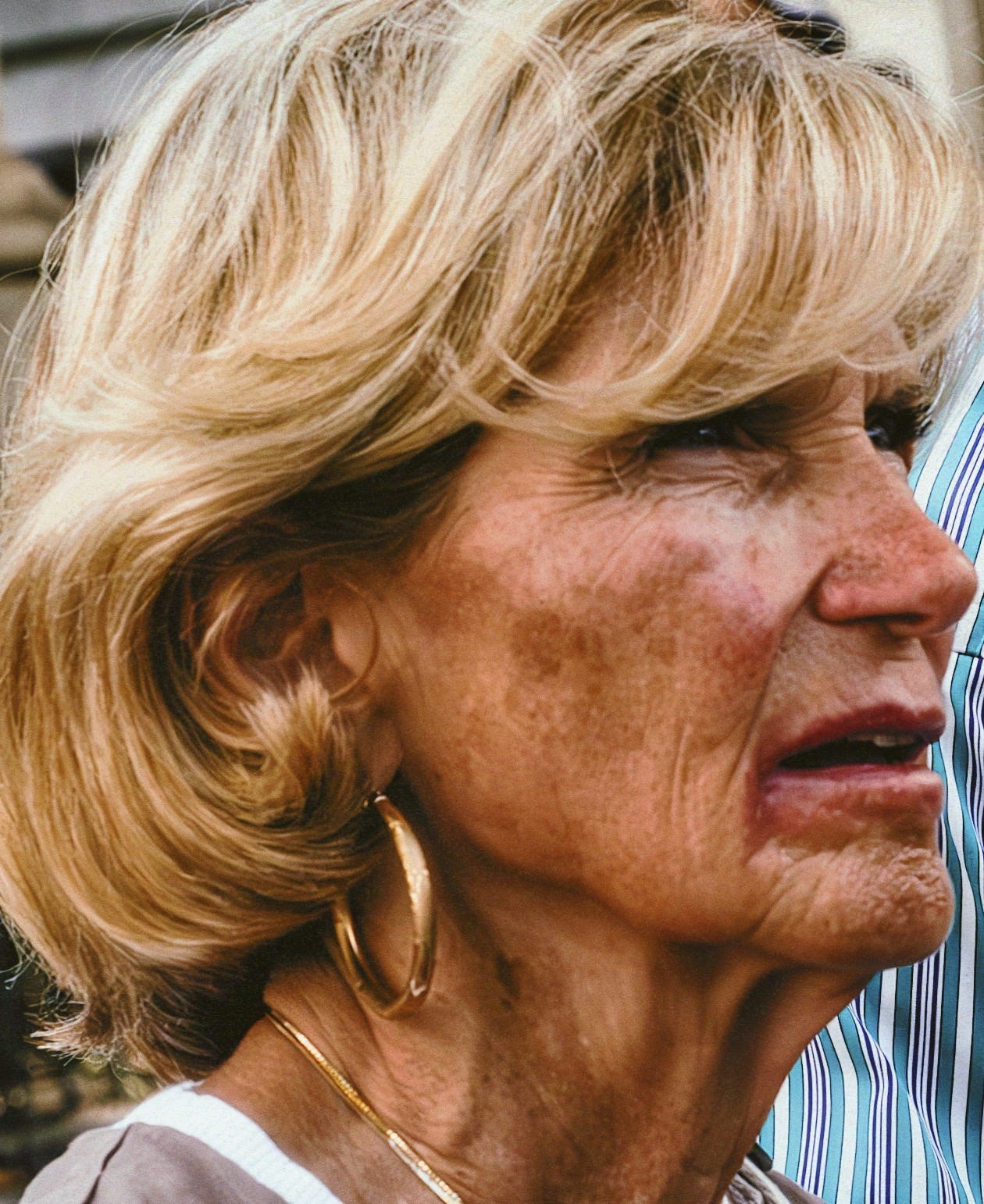
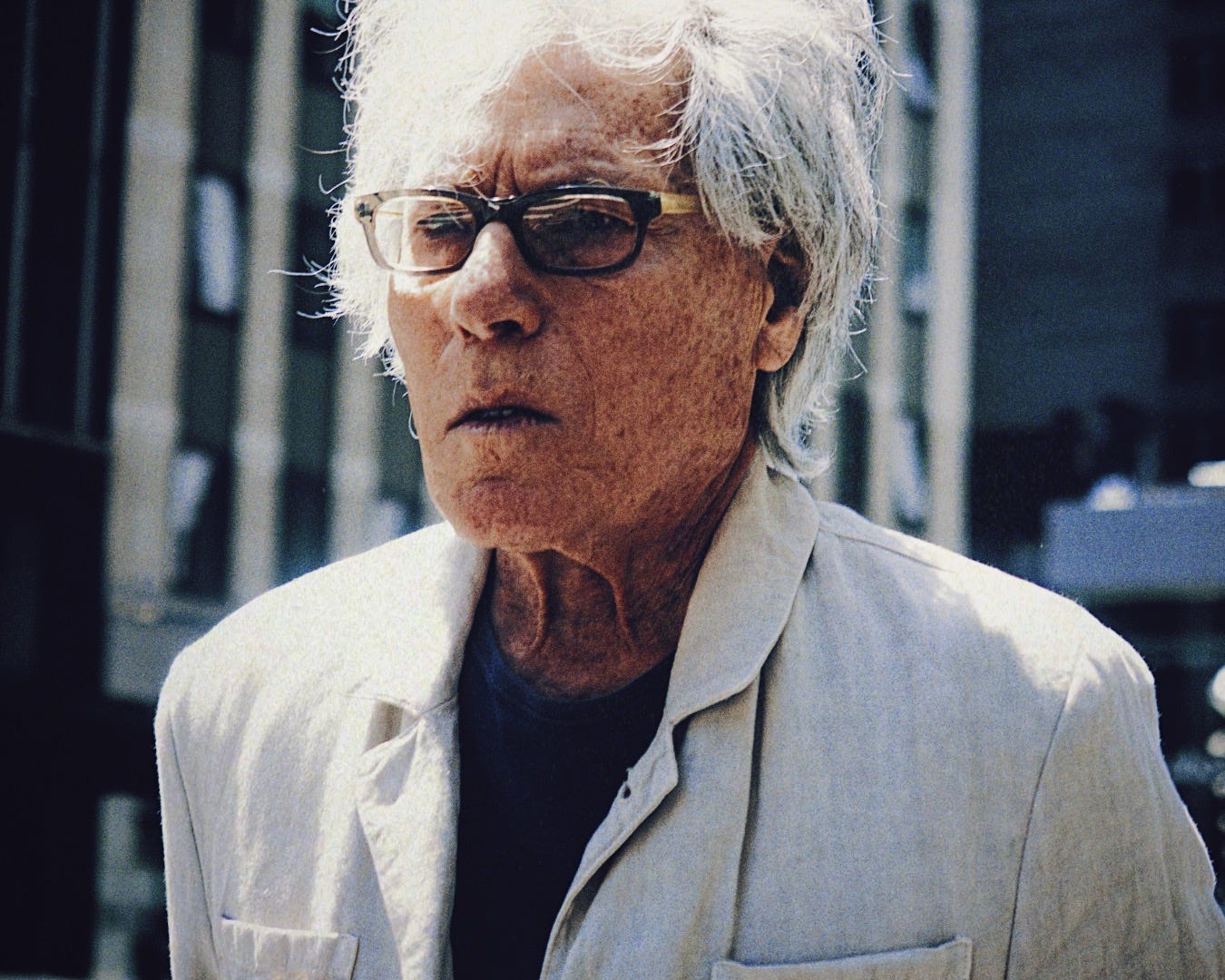
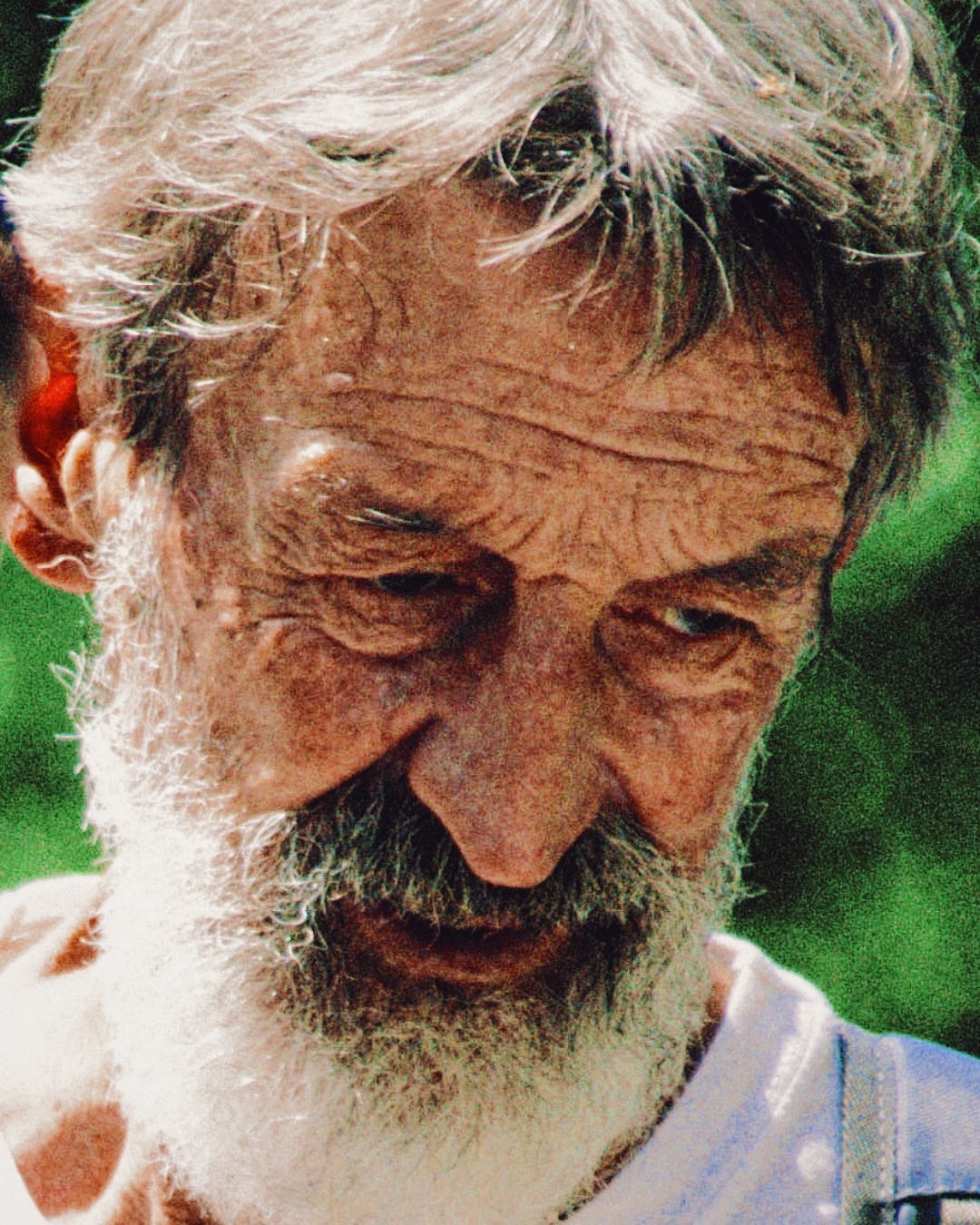
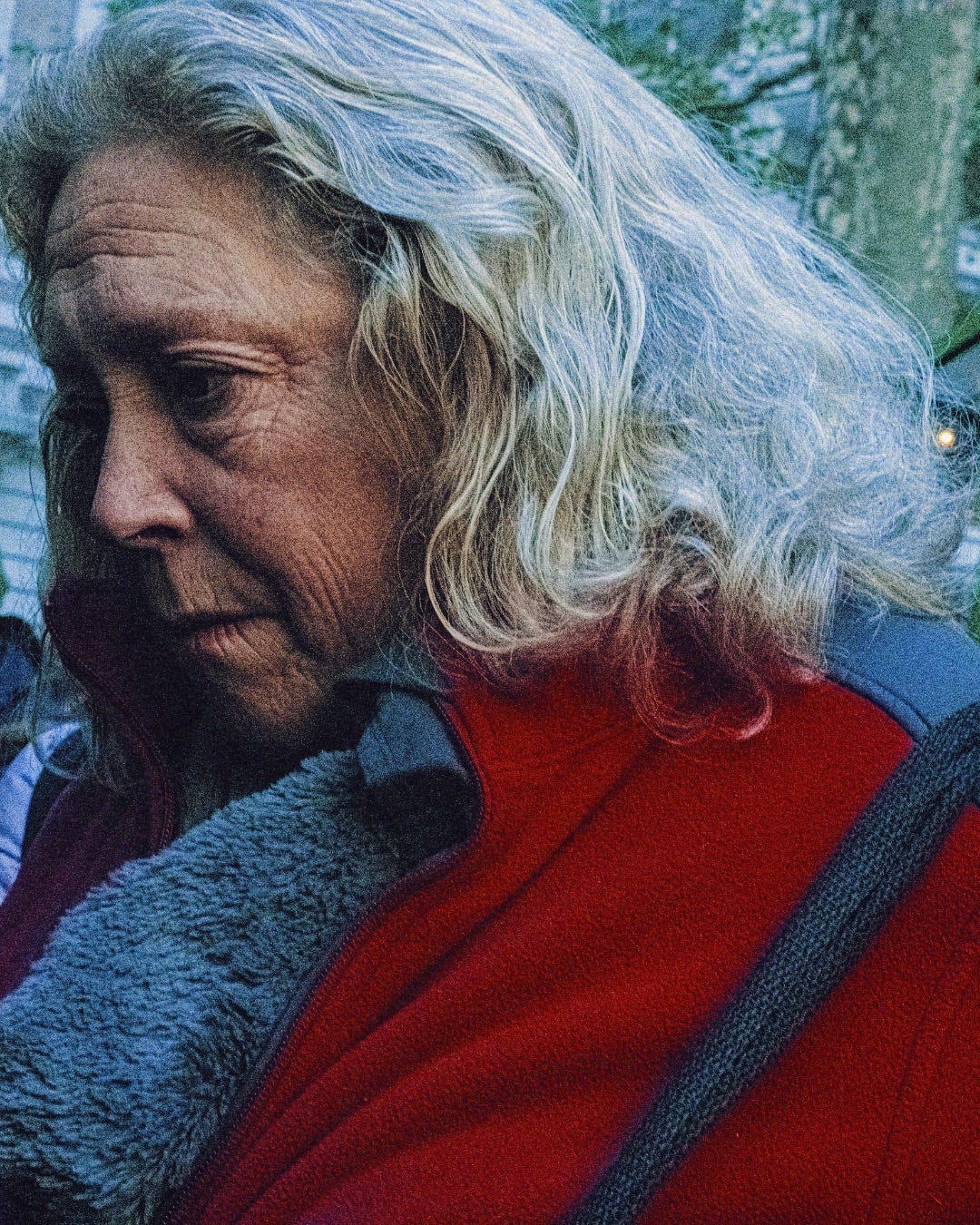
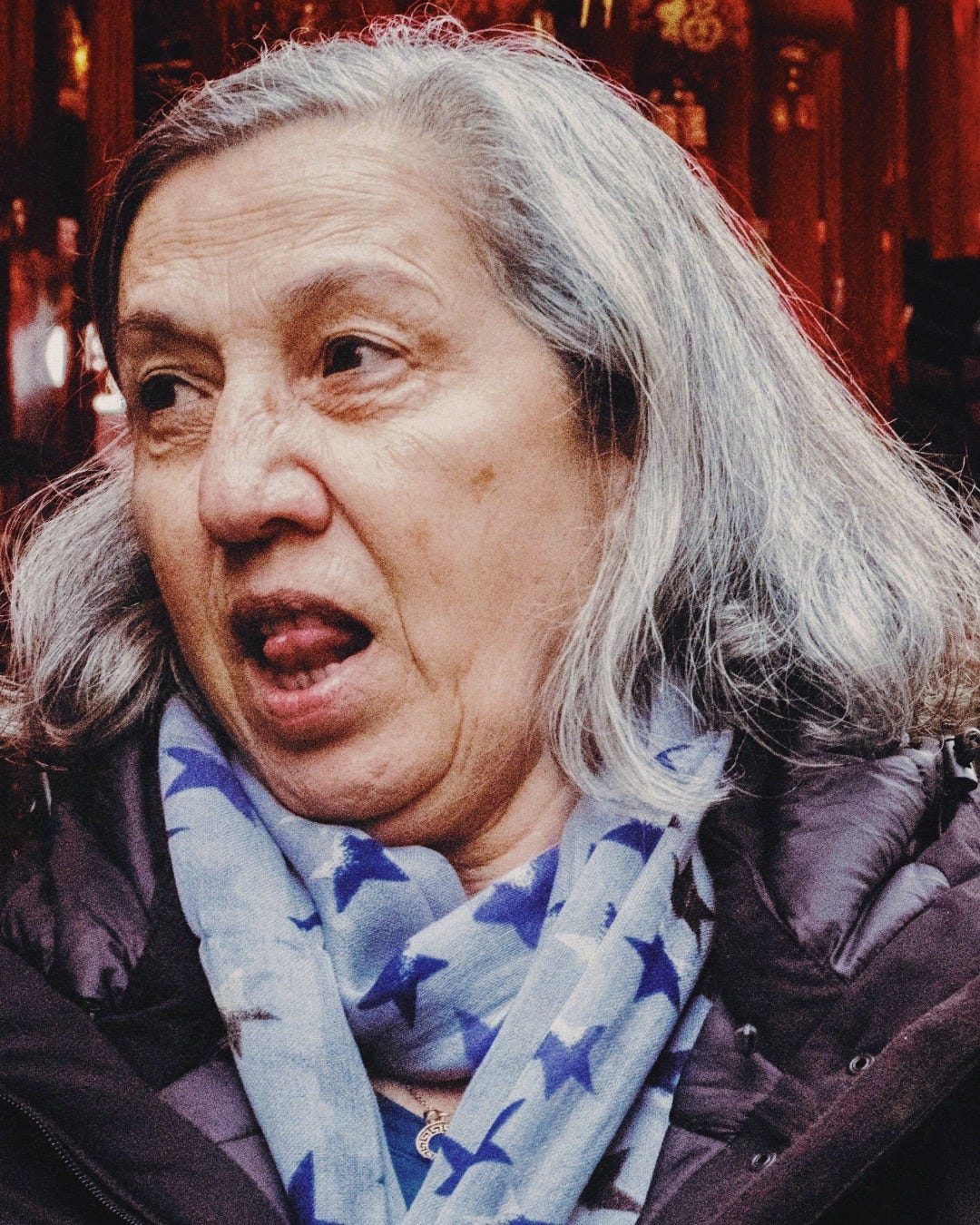
This is why photographers who develop a durable voice are rarely the ones with the strongest opinions at the beginning. Those people tend to peak early and then spend years protecting a position they arrived at too quickly. The photographers who last, the ones whose work deepens rather than just expands, are the ones willing to keep looking after their initial interpretations fall apart. They allow themselves to be wrong. Repeatedly. Publicly. Sometimes embarrassingly.
Curiosity doesn’t demand coherence up front. It doesn’t require you to explain yourself cleanly at every stage. It tolerates mess. It allows periods of uncertainty where the work feels unresolved and the direction feels unclear. Over time, coherence emerges not because you forced it, but because you stayed long enough for patterns to reveal themselves. Voice isn’t manufactured. It’s earned slowly, through attention that refuses to give up just because certainty hasn’t arrived yet.
In a culture that rewards decisiveness and punishes hesitation, curiosity looks like weakness. But in practice, it’s the only thing sturdy enough to support a voice that can survive beyond its first phase. Without it, you end up repeating conclusions instead of asking better questions. With it, the work stays alive, capable of changing as you change, without losing its integrity in the process.
Voice, in the end, is not confidence speaking.
It’s curiosity that refused to leave.
Why Curiosity Beyond Photography Makes You a Better Photographer
Curiosity confined to a single medium calcifies quickly. It hardens. It develops opinions. It starts using phrases like this is just how I shoot as if that were a personality rather than a warning sign. If all you’re curious about is photography, specifically cameras, other photographers, and the endlessly recycled arguments about gear and genre, your work will eventually begin speaking in a closed loop. Competently, confidently, and to absolutely no one outside the echo chamber.
Some of the most meaningful shifts in my photography didn’t come from studying more photographs. They came from paying attention elsewhere, usually at moments when photography itself felt exhausted or uncooperative. Writing taught me structure and restraint. Music taught me pacing, repetition, and the emotional weight of silence. Film taught me sequencing, context, and the danger of over-explaining. Literature taught me that ambiguity isn’t a flaw, it’s often the point. History taught me that meaning is never neutral and that context quietly determines everything whether we acknowledge it or not.
None of this arrived as reference material. I wasn’t collecting influences like souvenirs. I was trying, often unsuccessfully, to understand how meaning gets constructed across different forms, how stories earn trust, how attention is held without coercion. And every time I returned to photography, something had shifted. Not stylistically, but structurally. I was seeing patterns I hadn’t noticed before. Ethical tensions I couldn’t unsee. Narrative decisions embedded in even the most “casual” image.
Photography doesn’t exist in isolation, no matter how much we’d like to pretend it does when it’s convenient. It’s part of a larger cultural language, one that borrows from cinema, literature, journalism, politics, advertising, memory. If your curiosity stops at the borders of the medium, your work will eventually start referencing itself. Photographs of photographs. Ideas about ideas. A feedback loop where familiarity masquerades as depth.
Expanding curiosity across disciplines does something subtle but essential. It sharpens your ability to recognize patterns, how stories get shaped, whose voices get amplified, what gets left out. It forces you to confront ethics that photography alone rarely articulates clearly. It trains you to see narrative structure where you might have previously seen only composition. And once you see those things, you can’t unsee them. The work becomes more deliberate, even when it remains intuitive.
This is also where the fantasy of the “pure photographer” quietly collapses. The idea that you can make meaningful work while remaining intellectually sealed off is comforting, but unrealistic. Images are not born in a vacuum. They inherit the values, assumptions, and blind spots of the culture that produces them. Being curious beyond photography doesn’t dilute your voice, it gives it context. It prevents your work from becoming insular, decorative, or accidentally complicit in narratives you never meant to support.
The best photographers I know are curious about everything. Not in a performative way. Not because it makes them interesting at dinner parties. But because it makes them attentive. They listen. They read. They notice how meaning shifts across forms. They understand that photography is just one way of asking larger questions about power, intimacy, time, and truth.
And the more curious you are about the world beyond the frame, the less pressure you put on photography to explain everything by itself. The work breathes. It connects outward instead of folding in on itself.
Curiosity, in this sense, isn’t a distraction from photography.
It’s the thing that keeps photography from becoming small.
Curiosity as an Ethical Position
Curiosity is not just a creative tool. It’s an ethical stance, one that quietly determines whether your work pays attention to the world or merely uses it. This is the part that rarely makes it into artist statements, mostly because it’s harder to sound impressive while admitting you don’t fully understand what you’re looking at yet. Ethics are easier to declare than to practice. Curiosity, inconveniently, insists on practice.
At its most basic level, curiosity keeps you from assuming too much. It slows you down at the exact moment you’re tempted to simplify. It interrupts the reflex to name, categorize, and move on. It reminds you that people, places, and moments do not exist to resolve your ideas cleanly. They don’t owe you clarity. They don’t exist to reinforce your worldview. And they certainly don’t exist to perform meaning on demand just because you showed up with a camera.
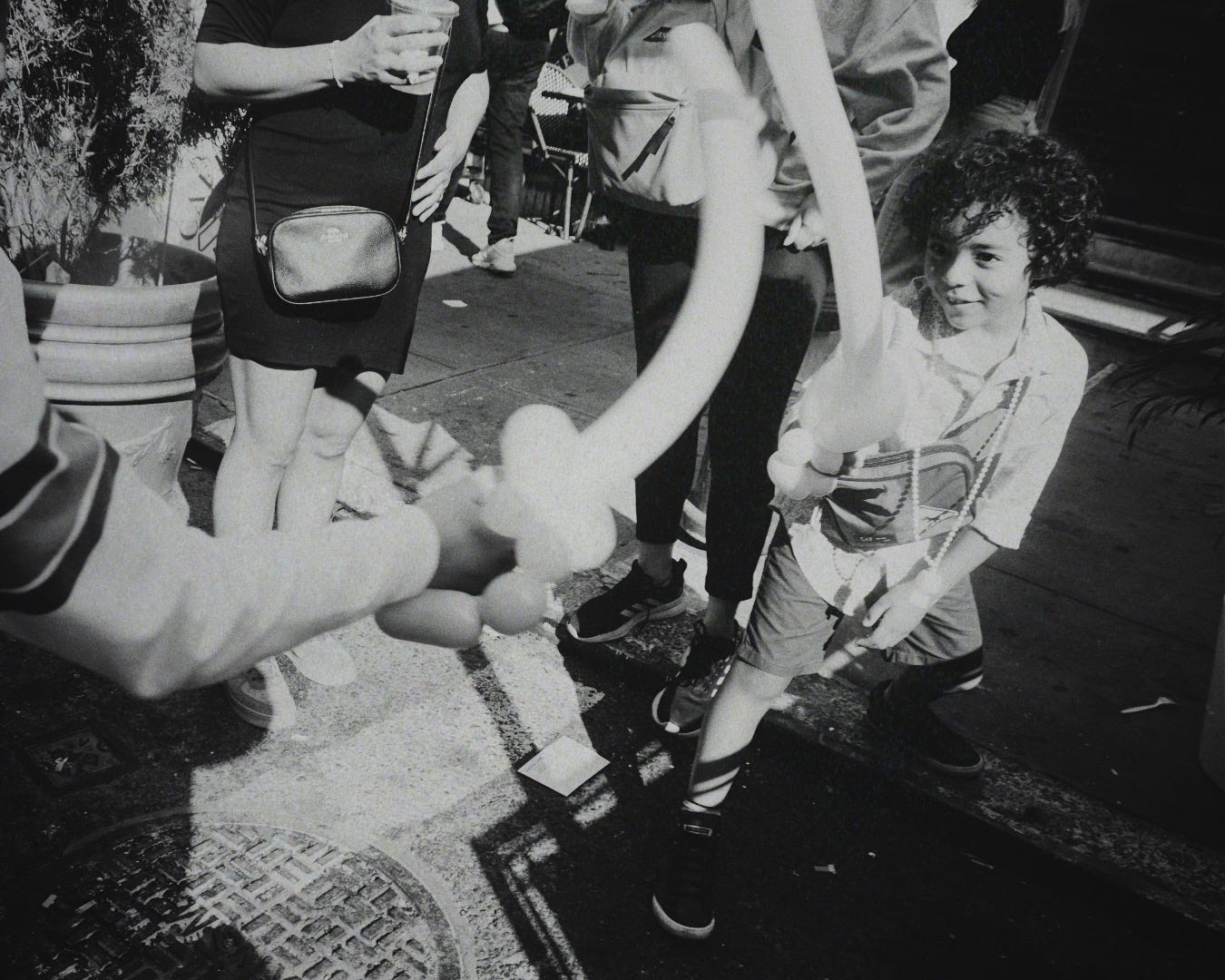
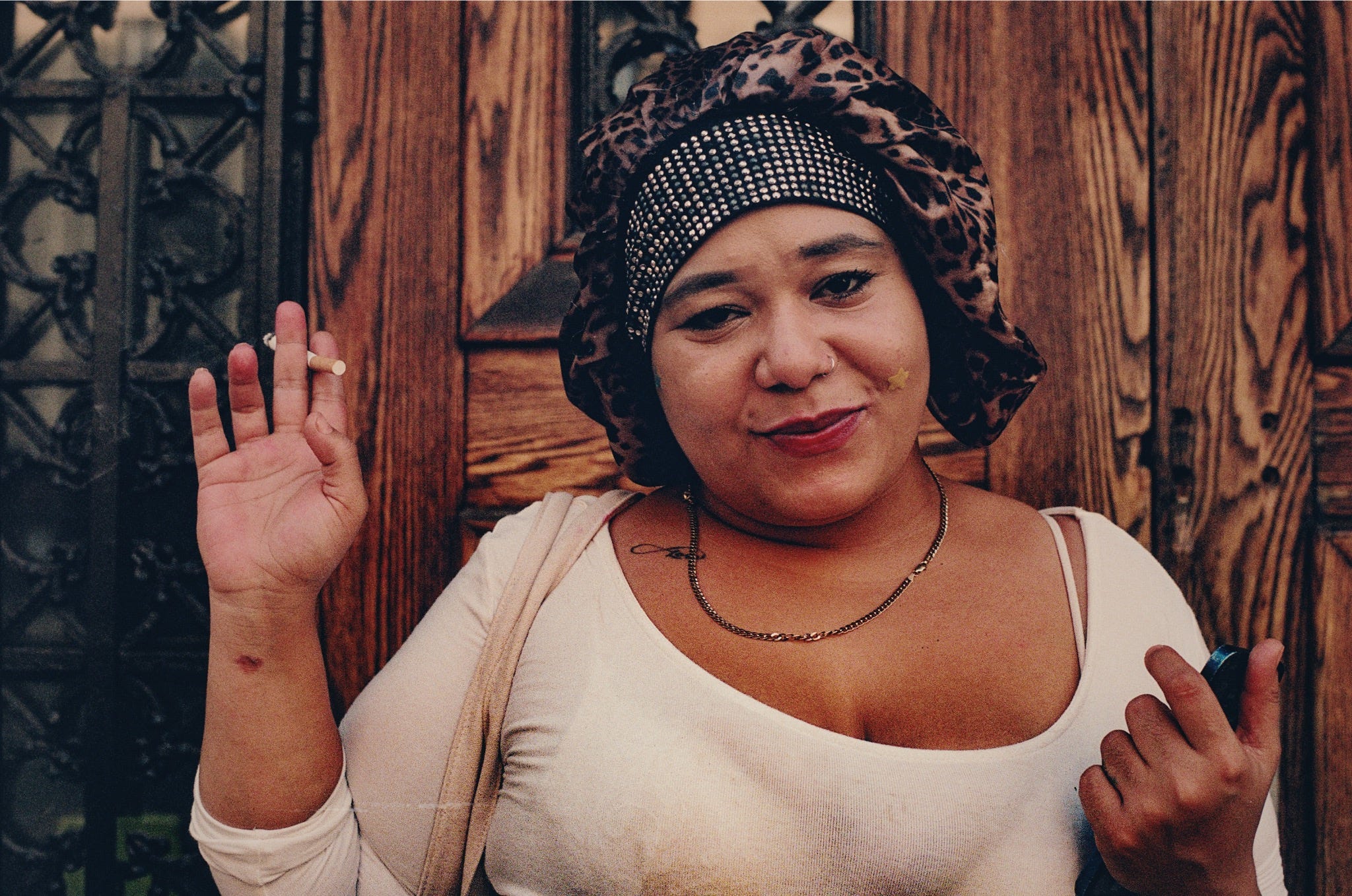
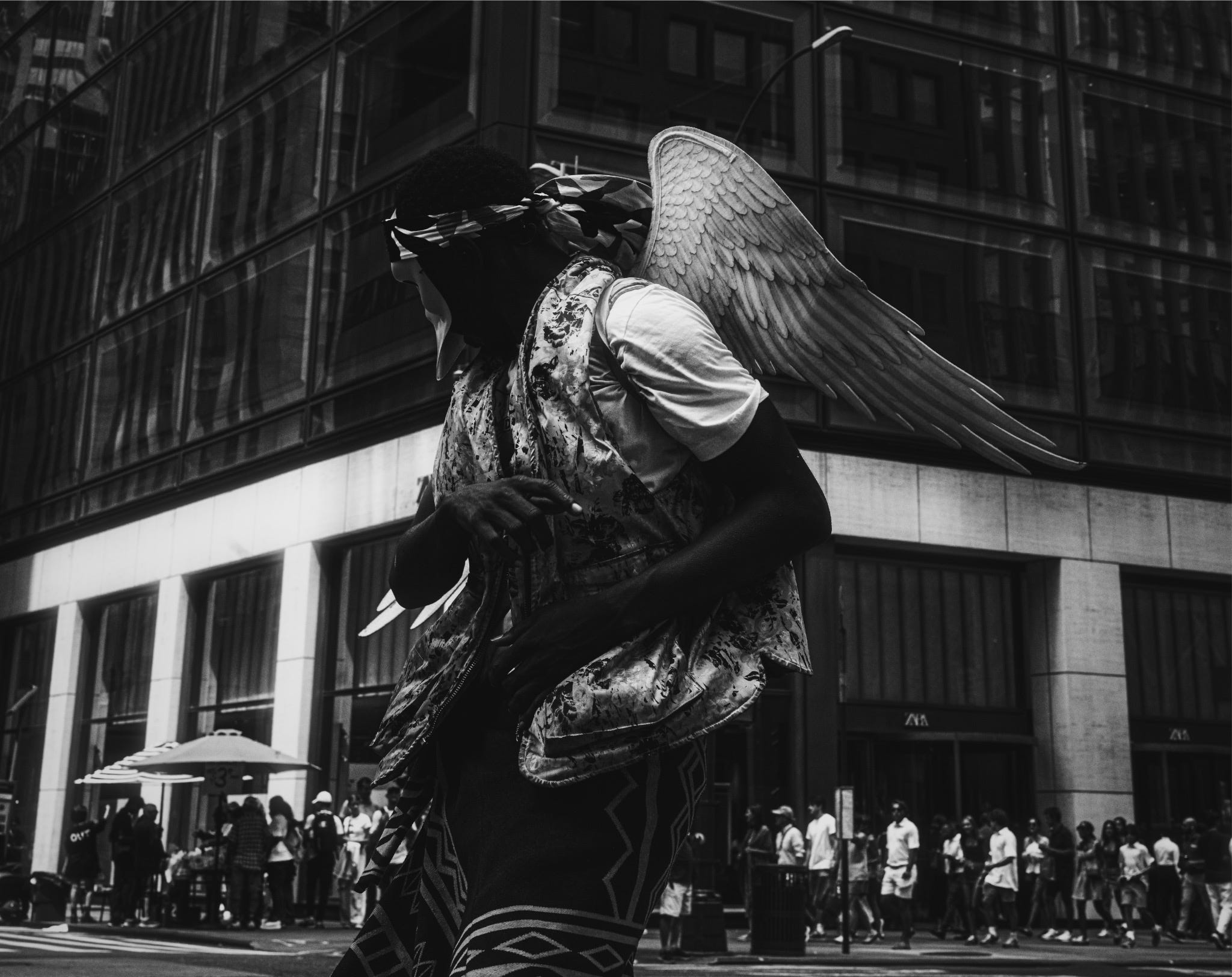
Without curiosity, photography slips easily into extraction. You arrive, take what confirms your assumptions, and leave. You reduce complexity into something manageable, legible, and aesthetically coherent. The image works. The story scans. The ethics remain conveniently unexamined. Curiosity resists that impulse. It asks you to understand before you interpret. To listen before you frame. To stay long enough for the situation to complicate the narrative you were hoping to tell.
This is uncomfortable work. Curiosity doesn’t guarantee agreement or clarity. It often introduces doubt where confidence would have been more efficient. It forces you to confront the limits of your perspective, your distance, your privilege, your misunderstandings. It reminds you that the camera doesn’t grant authority. It only amplifies whatever posture you bring with you.
Curiosity also disrupts the fantasy of neutrality. The idea that you can simply observe without consequence is comforting, but false. Curiosity doesn’t pretend you’re invisible. It acknowledges your presence and asks what responsibility comes with it. It insists that meaning is relational, that how you stand in a moment matters as much as what the moment contains.
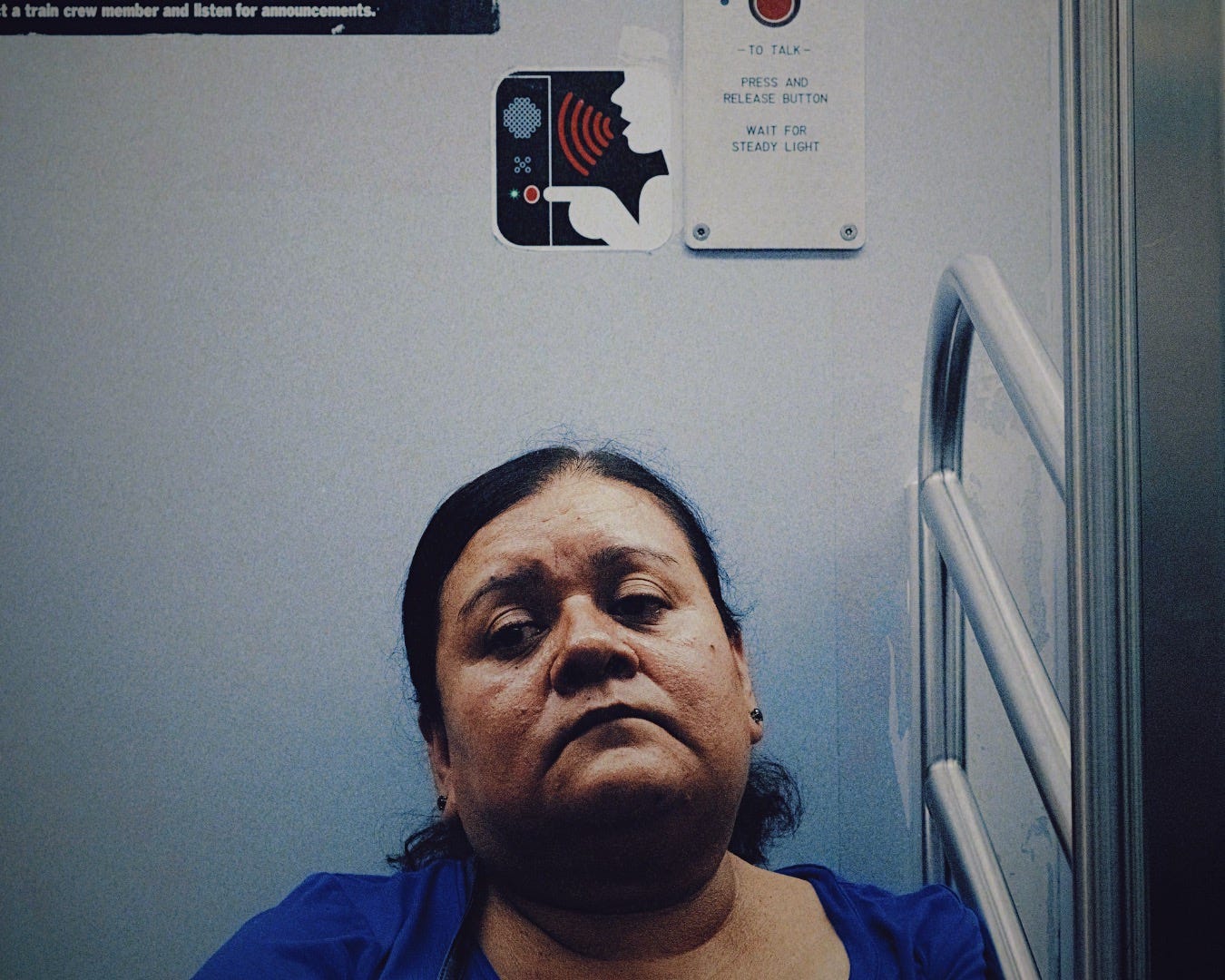
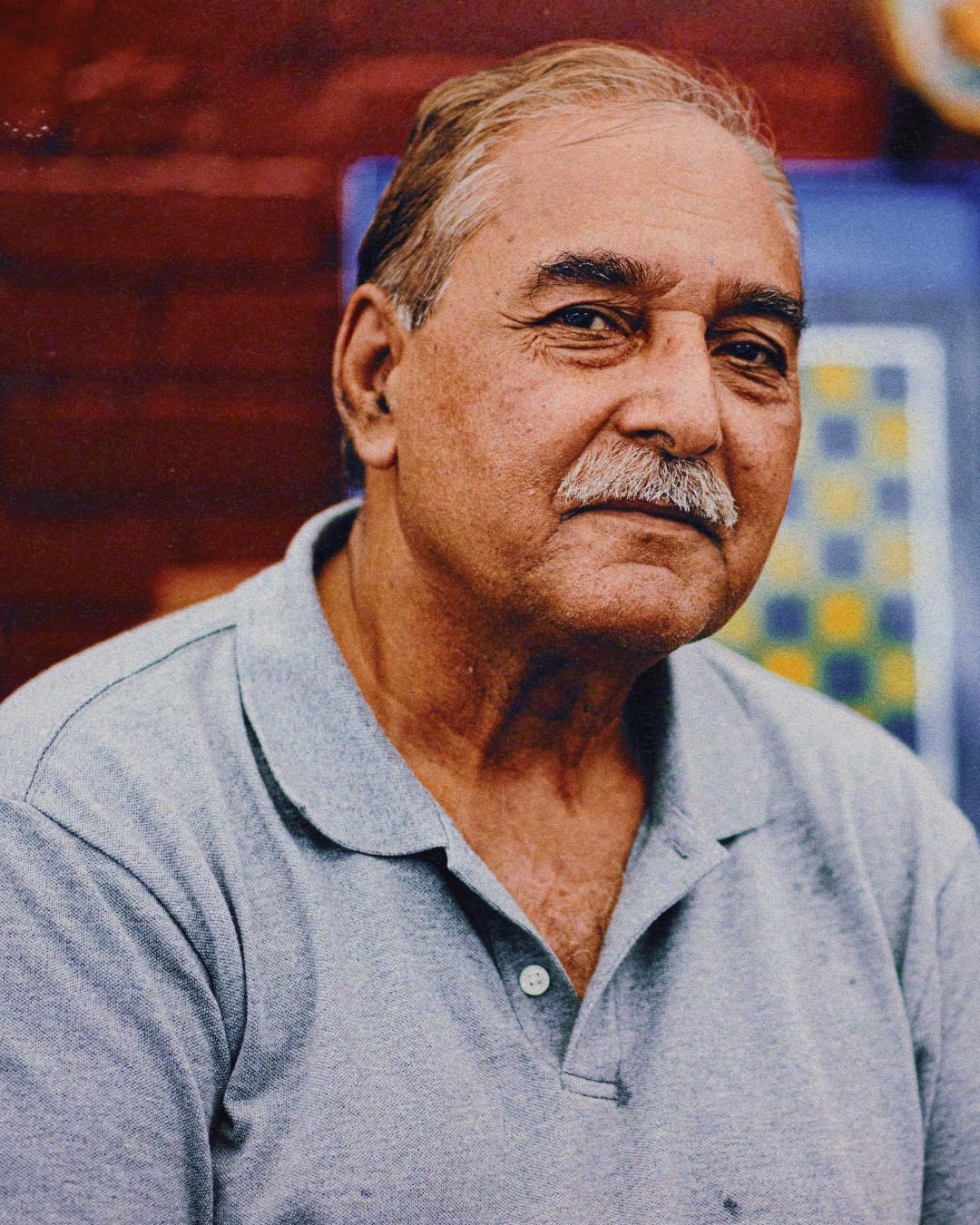
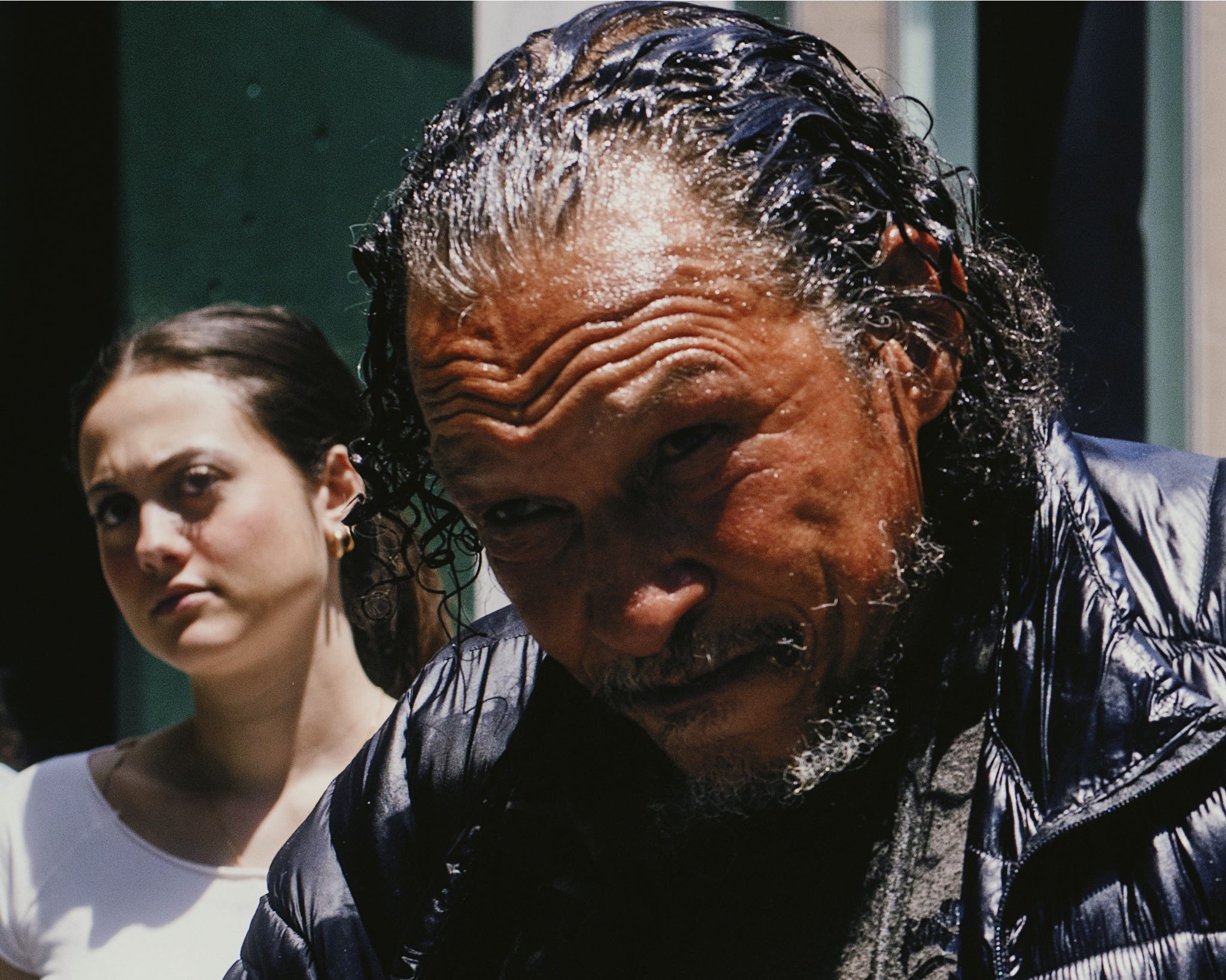
Staying curious means staying longer than is comfortable. Long enough for first impressions to fall apart. Long enough for the obvious story to reveal its flaws. Long enough to realize that what you thought you understood was, at best, incomplete. And that realization, humbling, irritating, occasionally paralyzing, is precisely where ethical work begins.
This is why curiosity can’t be optional. Without it, photography becomes a tool for flattening the world into something easier to digest than it is to tell the truth about. It becomes a way of smoothing over contradiction, reducing people to symbols, and replacing understanding with aesthetic agreement.
Curiosity refuses that shortcut. It insists that the world is more complex than your first reaction. That meaning takes time. That listening is part of seeing. And that if the work feels morally thin, it may not be because your intentions were bad—but because your curiosity didn’t stay long enough to challenge them.
In this sense, curiosity isn’t just how better photographs get made.
It’s how photographs avoid becoming dishonest without realizing it.
A Call to Be More Curious
If there’s one thing I wish artists would take more seriously, and by artists I very much include myself, usually after learning the hard way, it’s this: curiosity is not something you age out of like skinny jeans or naive optimism. It’s something you protect. Actively. Sometimes aggressively. Often from yourself.
You protect it from the pressure to appear certain, which is exhausting and mostly performative. From the fear of looking uninformed, as if not knowing were a personal failure rather than the starting condition of any honest inquiry. From the temptation to trade investigation for validation. To accept applause in exchange for stopping too soon. And from the systems that quietly reward output over understanding, clarity over complexity, and confidence over care.
Being curious is not a passive state. It’s work. It means paying attention to what you’re drawn to, and asking why, even when the answer is inconvenient. It means noticing what you avoid and resisting the urge to justify that avoidance as taste or instinct. It means staying with moments that don’t immediately make sense instead of forcing them into coherence just so you can move on feeling productive.
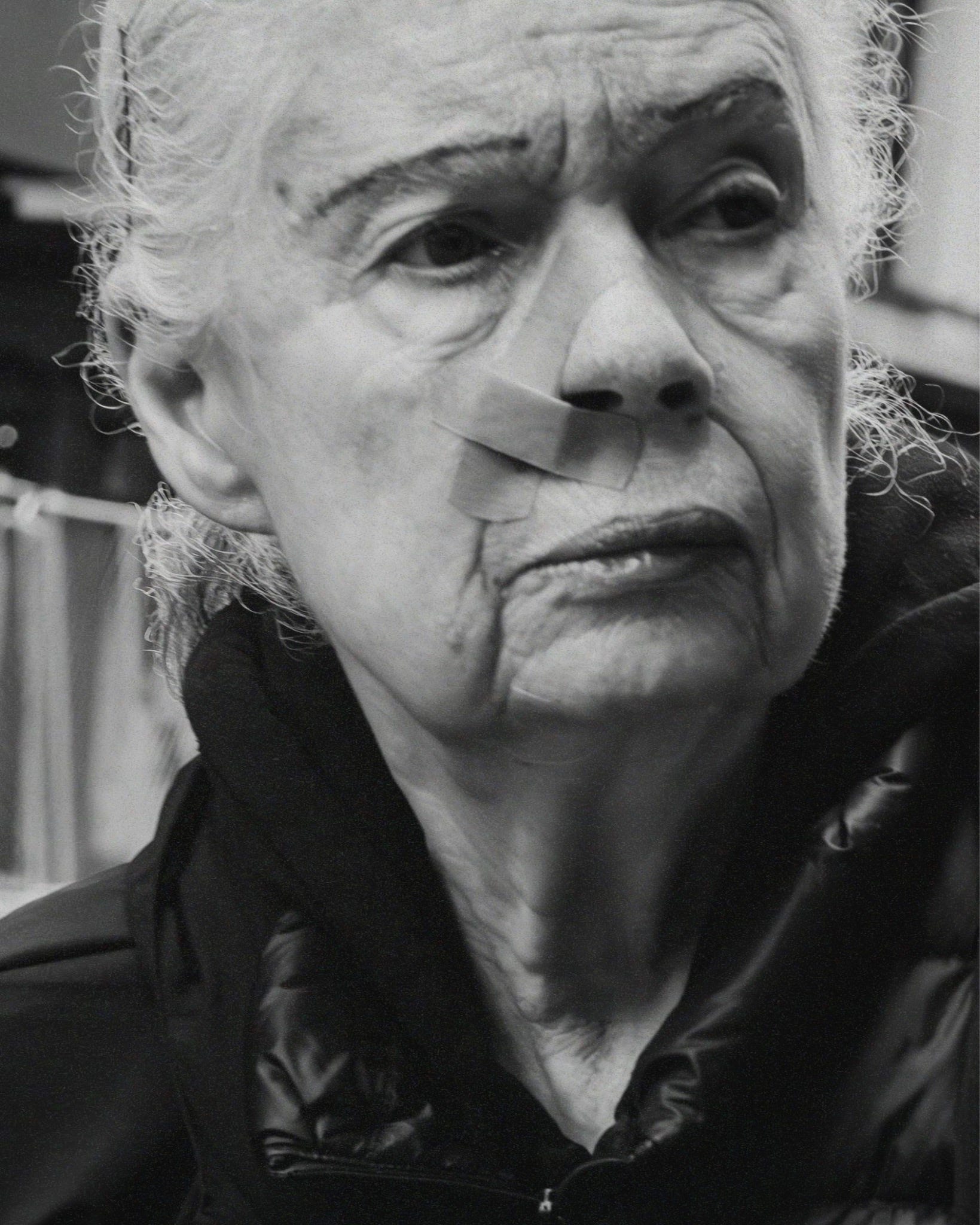
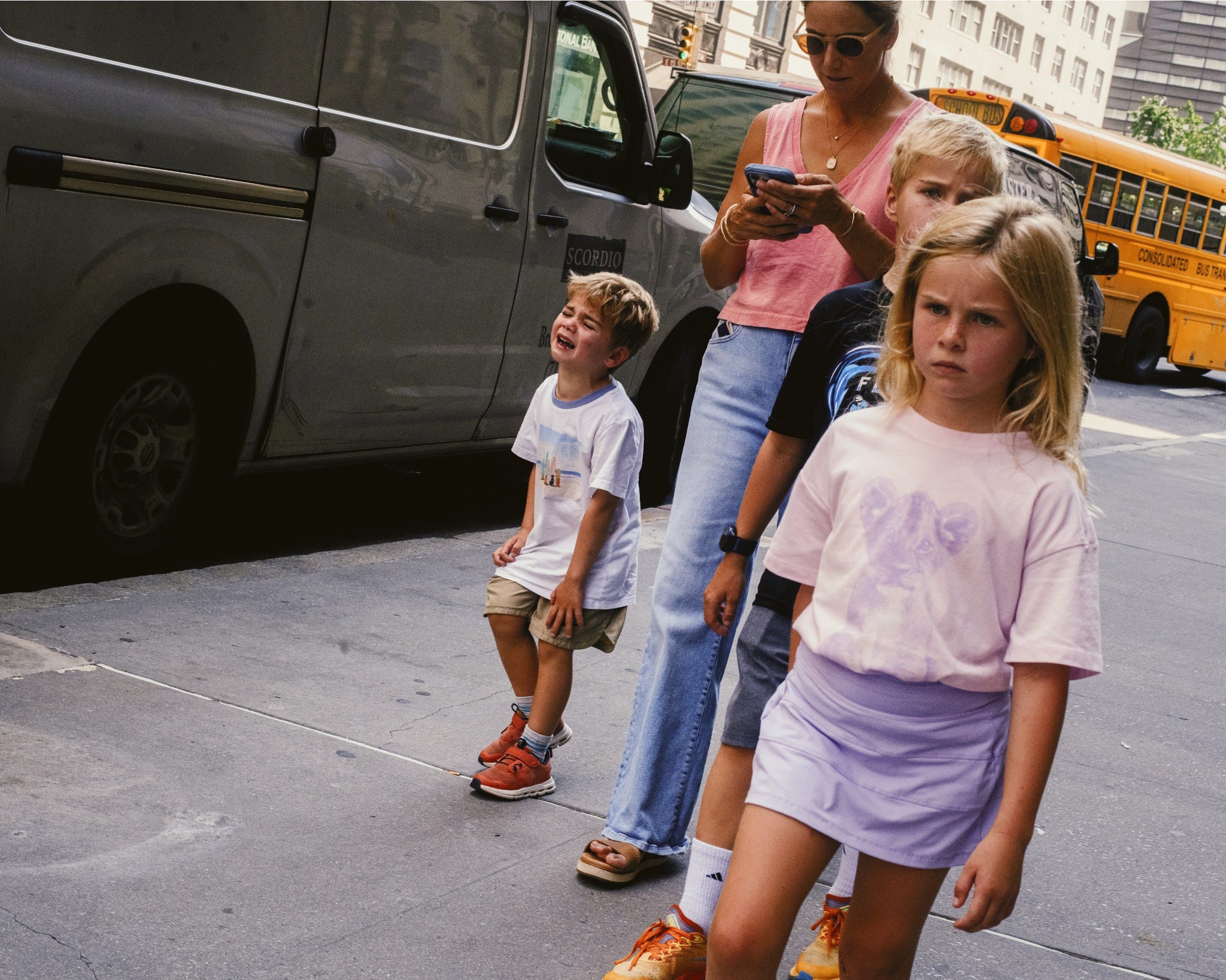
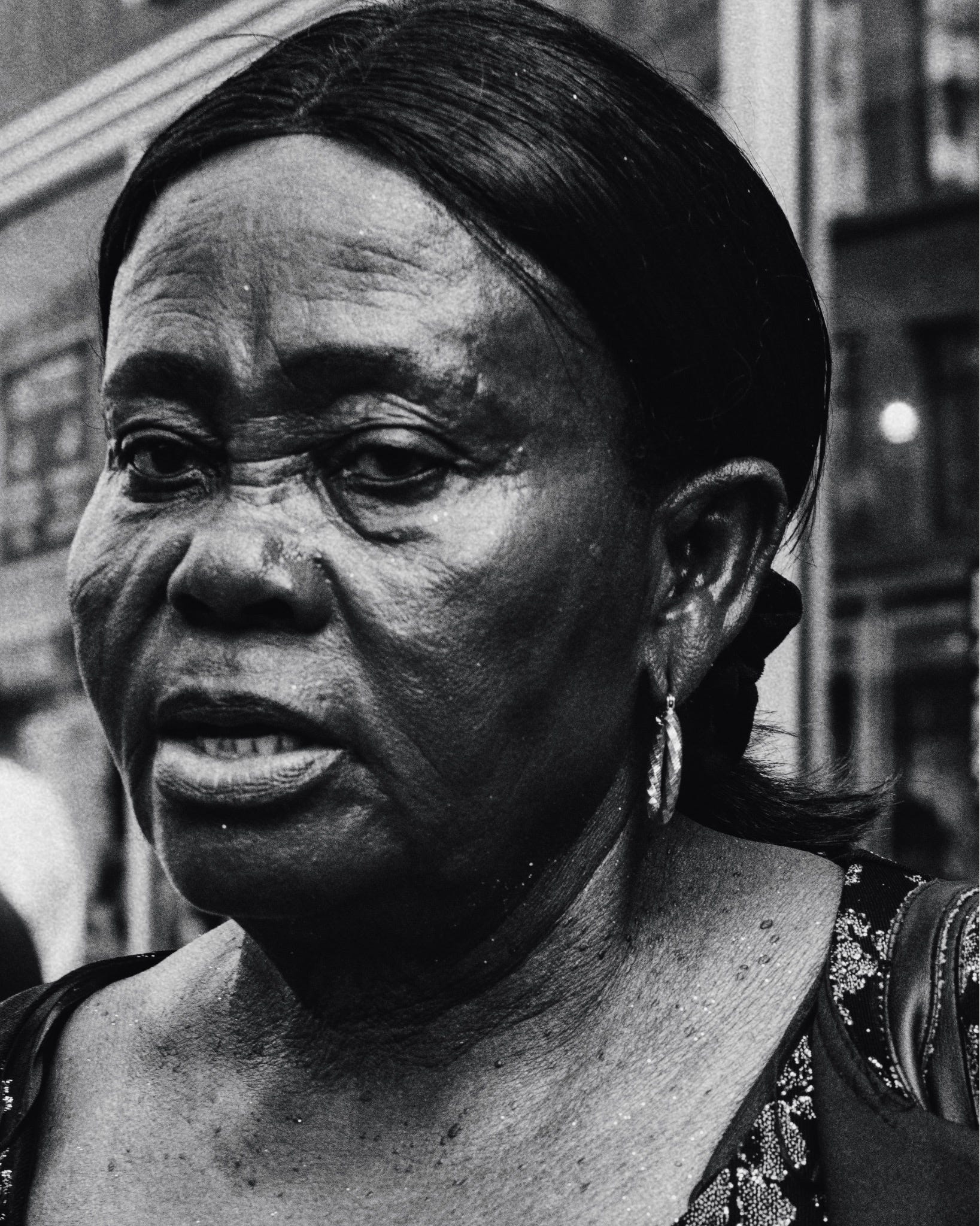
Curiosity asks you to remain open long after the answers stop arriving easily. Long after the early certainty wears off and the work begins to ask more of you than you’d planned to give. It keeps you from mistaking fluency for depth and repetition for growth. It reminds you that understanding is not something you achieve once and then defend indefinitely, it’s something you renegotiate over and over again.
Because curiosity isn’t just how better work gets made. It’s how you stay alive inside the work. How you avoid turning a practice into a routine, a voice into a script, or a career into a series of increasingly polished habits. Without curiosity, the work may continue, but you won’t. Not really.
Trends will pass. Tools will change. Techniques will get refined, replaced, and rebranded with alarming speed. Curiosity, on the other hand, ages well. It deepens. It keeps asking better questions even when the answers remain unresolved.
And that, more than any camera, platform, or strategy, is what actually carries an artist forward.
Thank you for reading this edition of Marks Of The Maker. It genuinely means a lot to have you here. This publication is built on a simple belief: photography is more than a technical act, it’s a way of paying attention to the world, and to ourselves. My goal, always, is to give you the tools, language, and perspective to create with intention rather than impulse.
If you’re enjoying these lessons, I’d love for you to explore the rest of The Creative Connection. Alongside this series, you’ll find deep dives on creative strategy, personal process, photographic history, and the tools that shape our craft. And if you feel called to subscribe, you’ll unlock the full archive and every future lesson across all segments of the publication.
For those curious about the work I make beyond the page, you can explore my portfolio and ongoing projects below. I also share visual companions and extended breakdowns on YouTube for anyone who prefers to learn through images, movement, and process in real time.
Thank you again for being here. It’s an honor to share this craft with you.
Links:

Amen to this