
EDFAT: The Photojournalist’s Cheat Code for Great Coverage
Crafting A Photograph: Lesson 015

There are two kinds of photojournalists in the world.
The first kind will tell you, usually unprompted, that they “just wait for the decisive moment.” They cannot explain how they knew the moment was decisive, why it mattered, or what the photograph is actually doing, only that they were there, spiritually aligned, and that something eventually happened.
The second kind actually knows what they’re doing. Which is less romantic, far more useful, and tragically harder to explain in a caption.
EDFAT belongs to the second group.
It’s not a style. It will not make your photographs moody, cinematic, or “timeless.” It will not rescue bad instincts or turn indifference into insight. It’s not a preset, a vibe, or a personality you can adopt after watching three YouTube videos at 1 a.m. EDFAT is a framework. A working system. A way to think clearly under pressure when the situation is moving faster than your confidence.
More importantly, EDFAT is a defense mechanism against one of photojournalism’s most common afflictions. Coming home with hundreds of images and absolutely nothing to say.
EDFAT helps you build photographs that contain information. Not just mood. Not just aesthetics. Actual, legible information about place, people, power, timing, and consequence. The kind of information that makes an editor pause instead of scrolling. The kind that gives a viewer enough to stay longer than three seconds. The kind that allows you to feel, briefly, like you didn’t wander around for hours producing beautifully exposed nothing.
EDFAT stands for Entire, Detail, Frame, Angle, Time.
Think of it as a mental checklist that keeps you from making five hundred versions of the same medium shot and then calling it a “body of work.” It’s a way to force yourself to cover a story instead of circling it. To widen your thinking instead of polishing your comfort zone. To stop relying on luck and start relying on attention.
Because here’s the uncomfortable truth:
If you can’t explain why a photograph works, you probably don’t know why it exists.
EDFAT doesn’t replace intuition, it sharpens it. It gives structure to instinct. It turns “I felt something” into “I can tell you exactly what’s happening in this frame and why it matters.”
Which, inconveniently, is the actual job.
So let’s break it down!
Hello and welcome to The Creative Connection! The Creative Connection is a publication dedicated to exploring the art, craft, and business of photography. With thoughtfully curated segments, we dive into the past, present, and future of image-making. In Life Through The Lens, we spotlight influential photographers throughout history, examining their legacy and the ways their work continues to shape visual culture. Crafting A Photograph offers both technical insight and introspective guidance, helping photographers become more self-aware artists through deeper aesthetic and creative choices. Tools Of The Trade, is a series built around the gear, brands, and experiences that elevate the artist’s journey. The Creative Connection segment brings it full circle, focusing on how to market yourself as a modern photographer, build meaningful relationships both online and in person, and cut through the myths of the business side of creativity. Finally, Marks Of The Maker, is where I explore my process, philosophy, and the moments that shape my creative identity in hopes that it helps others see how their own personal work can become a mirror for who they are becoming.
This series isn’t about perfection or performance, it’s about honesty. This is more than a publication, it’s a space where artistry meets strategy.
In this segment of Crafting A Photograph, we’ll be discussing EDFAT: The Photojournalist’s Cheat Code for Great Coverage. So, without further delay, let’s jump right in!
E — Entire (The Establishing Shot)
What it is:
The Entire shot is the photograph that answers the most basic and least glamorous questions first. Where are we. What is happening. How big is this thing I am looking at. It shows the whole scene before you start editorializing. Before you start interpreting. Before you start proving you have taste.
It’s the photograph taken when no one is impressed yet. Including you.
The Entire shot is what the situation looks like when you resist the urge to crop reality into something more flattering. It’s context without commentary. It’s orientation without opinion. It says, plainly, this is the room we are in.
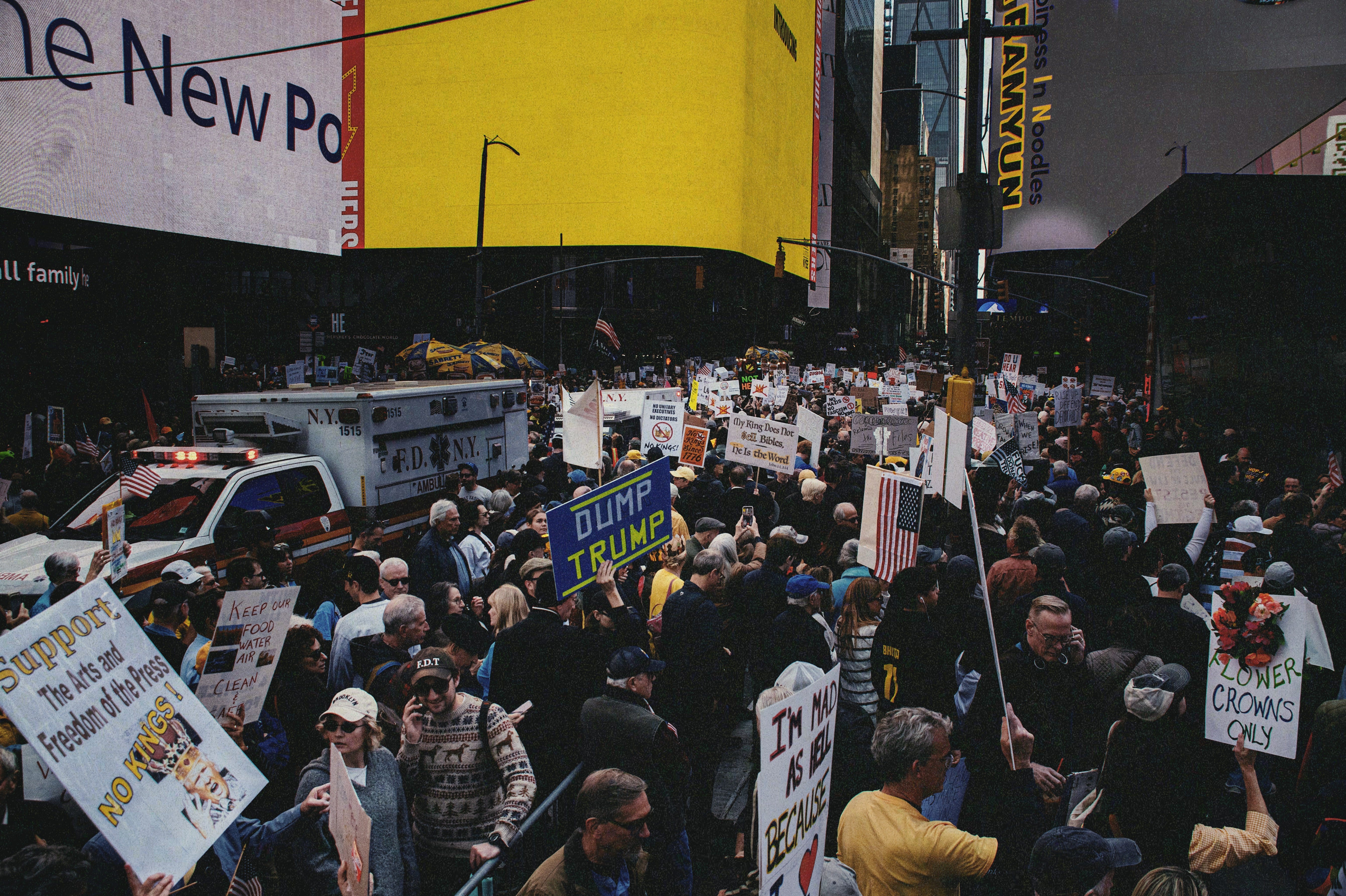
Why it matters:
Photojournalism without context is just aesthetics cosplaying as information. It looks serious. It feels important. It tells you almost nothing.
The Entire shot gives the viewer bearings. It lets them understand scale, geography, proximity, and stakes before you start asking them to feel anything. It tells them how many people showed up, how much space is involved, how isolated or dense the moment actually was. It prevents emotional manipulation by grounding the story in something observable.
Think of it as basic respect for the viewer. You wouldn’t walk someone into a conversation halfway through and expect them to follow along. The Entire shot is you saying, here is where we are, now listen.
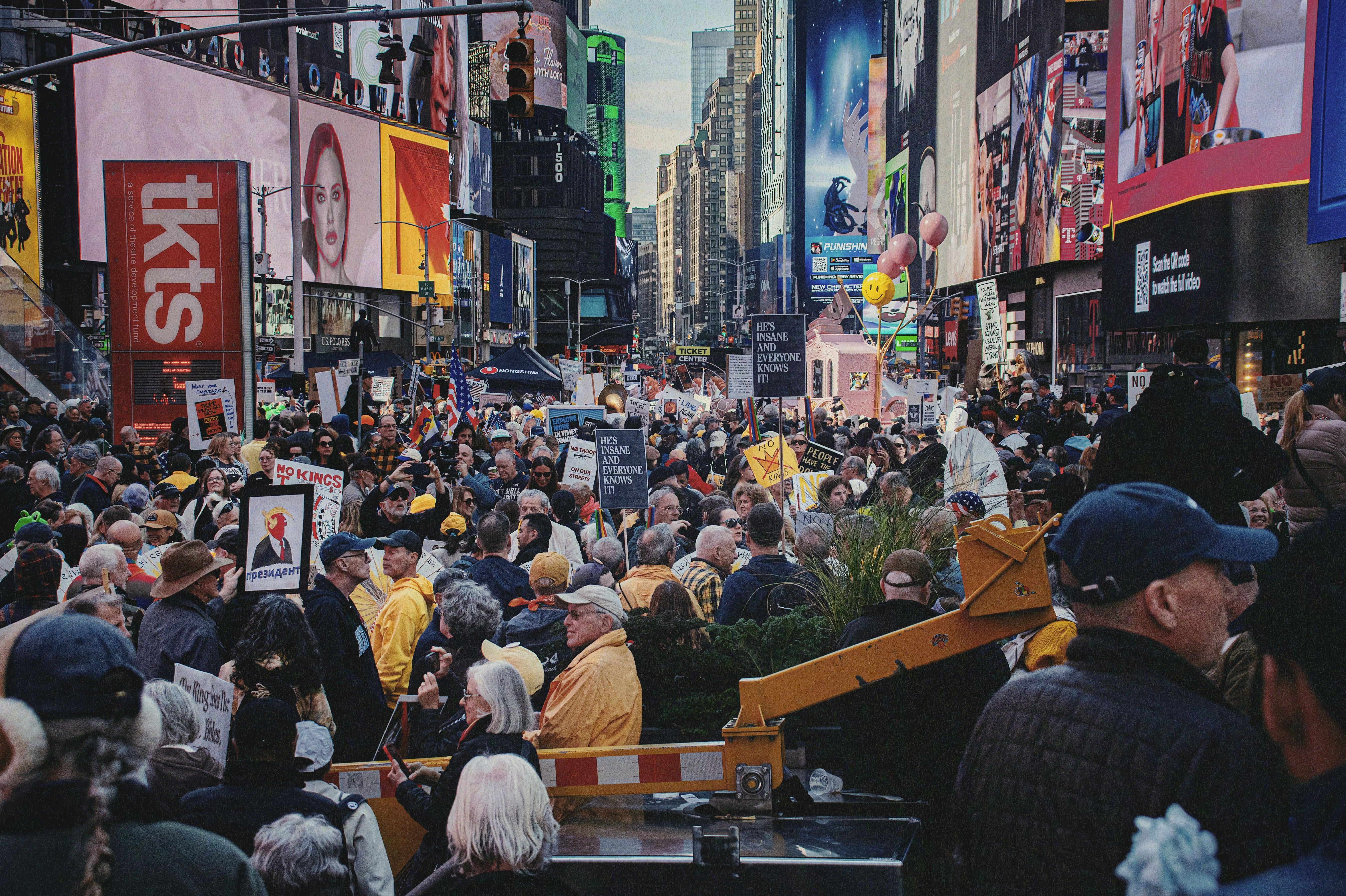
Editors rely on this photograph more than they admit. Viewers need it more than they realize. Photographers resent it because it rarely flatters their ego.
Which is exactly why it matters.
What it should include:
A clear sense of place. Not just a vague outdoor feeling, but location, environment, atmosphere. The details that tell us whether this is a courthouse or a street corner, a private gathering or a public spectacle, a quiet neighborhood or a contested space.
Scale: How big is this thing, actually. Is it five people or five thousand. Is the damage localized or sprawling. Is the subject dwarfed by their surroundings or dominating them. Scale is information, not decoration.
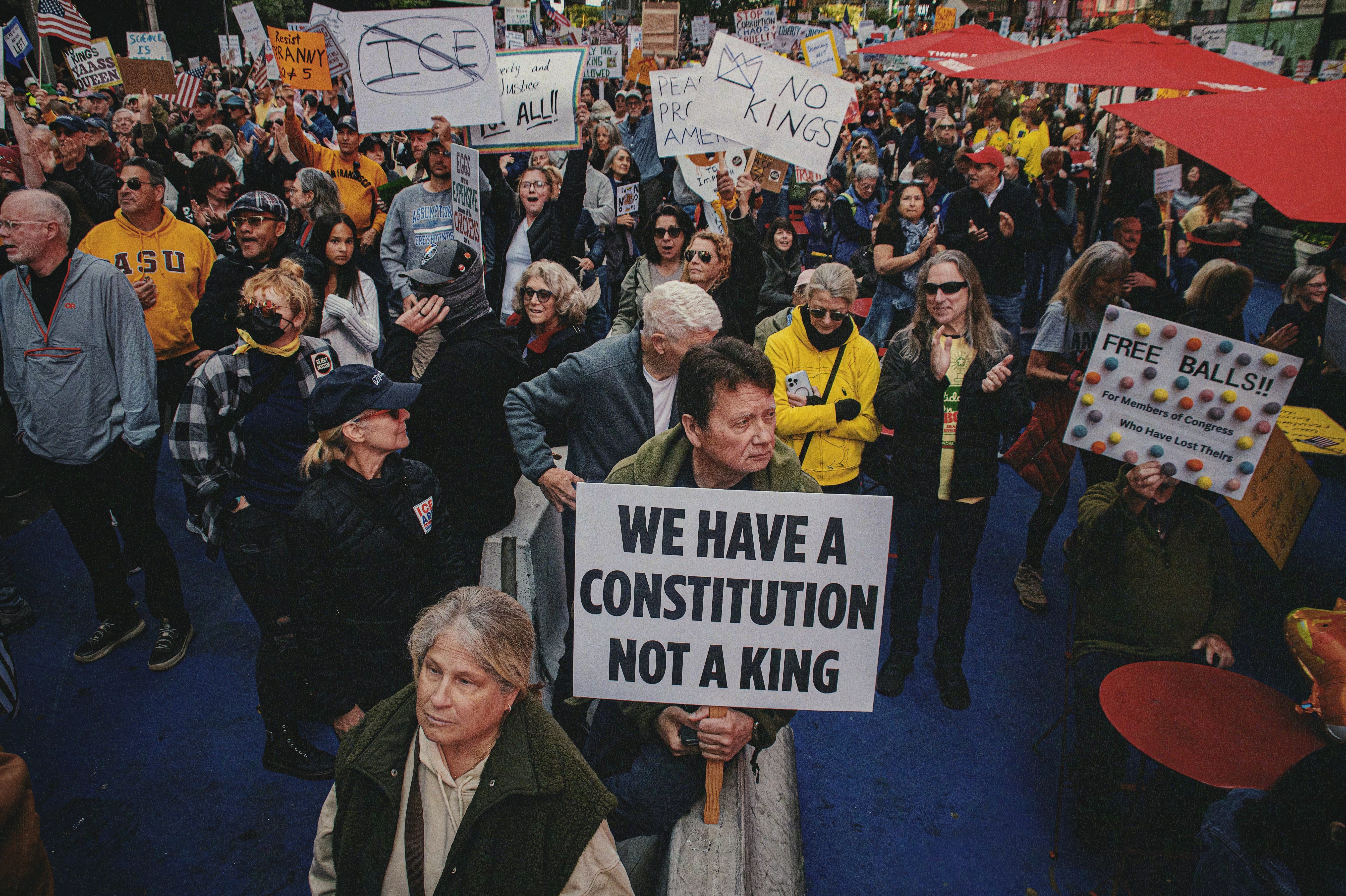
Relationships: Who is near who? Who is separated? Who has access and who does not? What structures are present? Fences, barricades, buildings, stages, lines. These aren’t background elements. They’re part of the story.
Common Mistakes:
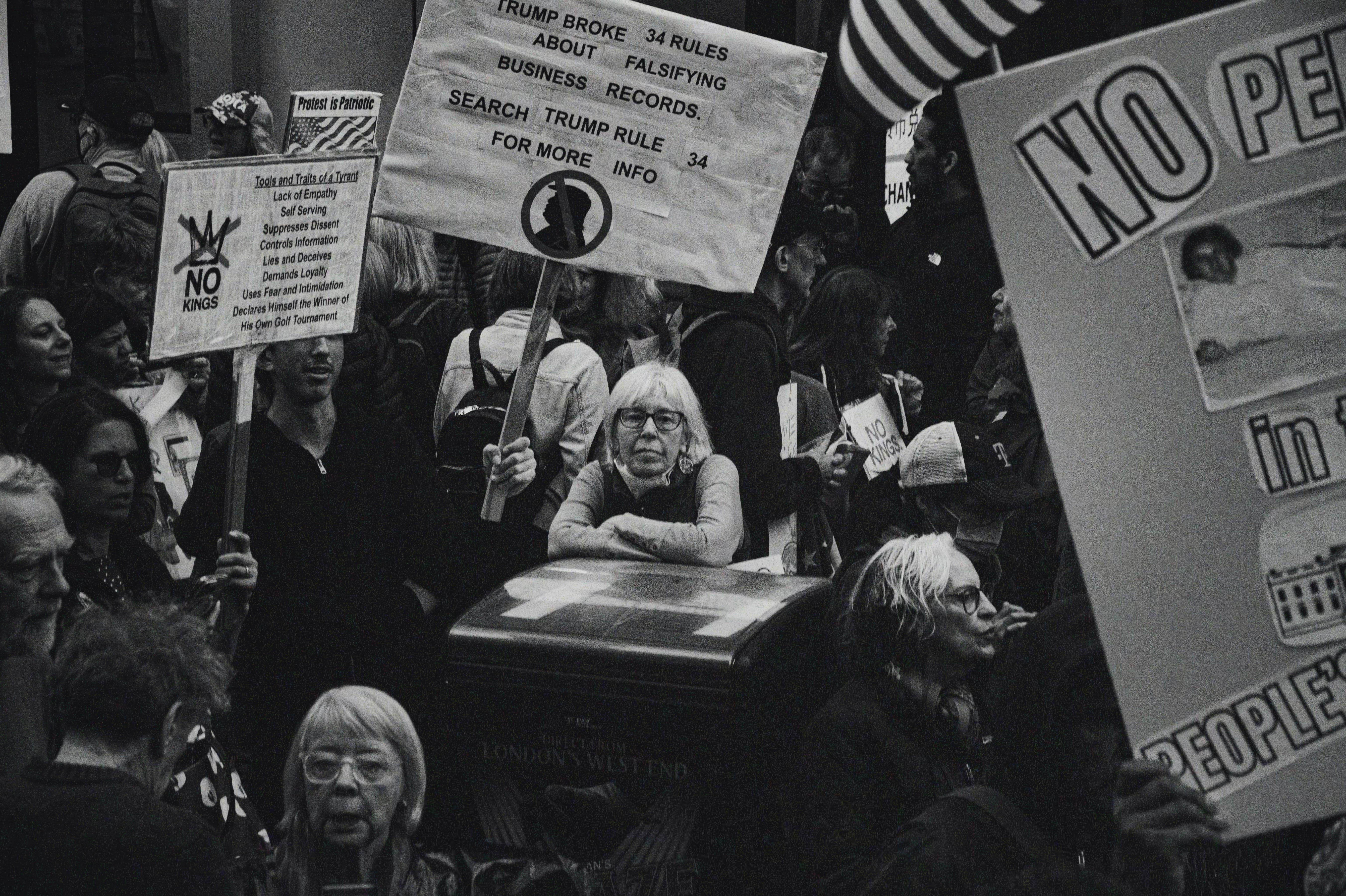
Too tight. You make the image dramatic, emotional, intense. You also remove the facts. The photograph looks important but becomes untrustworthy because it refuses to explain itself.
Too wide with no subject. This is not an establishing shot. This is a screenshot of existence. The viewer has no idea where to look or why they should care. It’s technically accurate and emotionally vacant.
Wide for ego. The classic “look at this epic scene I witnessed” photograph. Beautiful light. Grand scale. Absolutely nothing happening inside the frame. The photographer is impressed with themselves. The viewer is confused.
How to use it in the field:
Arrive and immediately ask yourself a brutally simple question. If I could only send one photograph to explain what is happening here, what would it be? Not the most dramatic. Not the most emotional. The most explanatory.
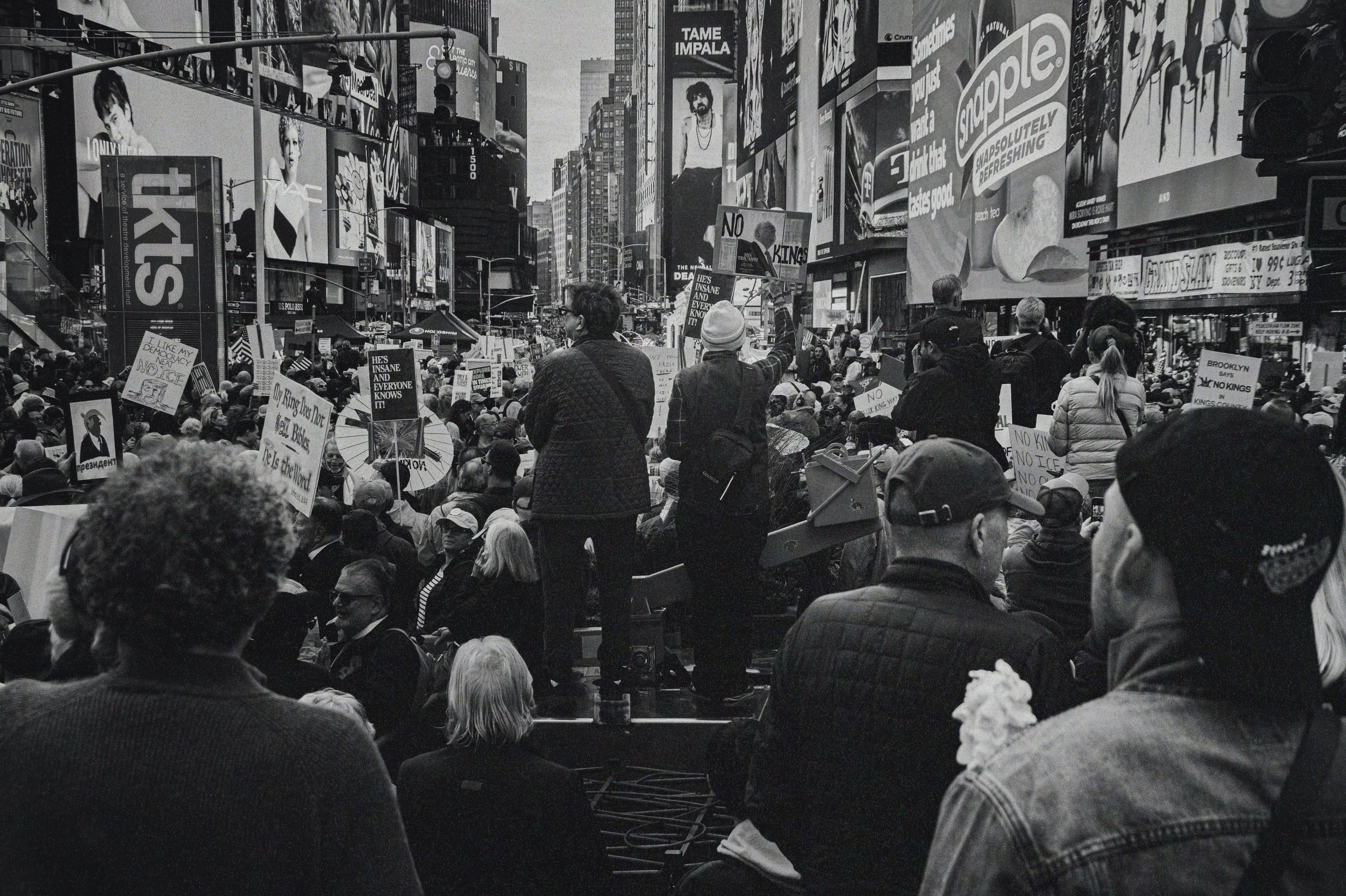
Shoot wide first, before you start chasing moments. Before you get distracted by faces, gestures, or symbolic details. Emotion without context is manipulation. Context first, always.
Give yourself a simple rule. One clean establishing frame per location. Minimum. No excuses. Even if you think you already know what it looks like. Even if it feels boring. Especially then.
Move your feet. Adjust height. Look for a position that shows relationships rather than flattening them. This is not about being clever. It is about being clear.
Pro tip:
The Entire shot is your insurance policy. Editors love it because it saves them from explaining your work. Viewers need it because it allows them to trust what follows. You will hate it because it isn’t cool, dramatic, and not easily confused with art.
Good.
Make it anyway.
